
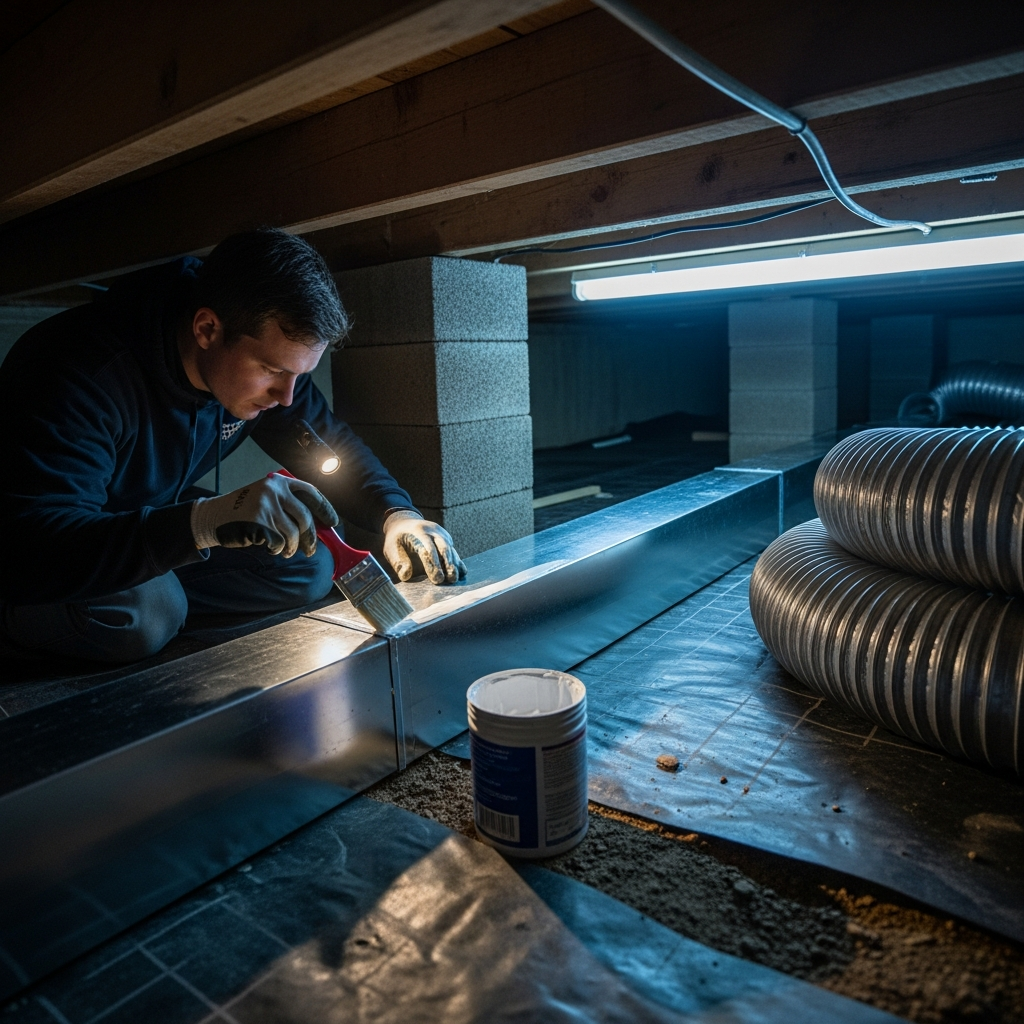
Introduction: Why Duct Leak Repair and Sealing Matter
Homes in Somerville, New Jersey, experience cold winters and humid summers, a combination that puts heavy demands on ductwork. Even small leaks let conditioned air escape into attics, basements, or crawl spaces while drawing in dusty or damp air from those same areas. The result is uneven temperatures, a system that works harder than necessary, and air that may not feel as clean as you expect. This comprehensive guide explains how leaks form, how professionals find them, and the durable methods used to seal them so you can enjoy steadier comfort and healthier indoor air. To see how a thorough process comes together in practice, many homeowners review local insights on air duct repair before scheduling an in-home evaluation.
Effective leak repair is part science, part craftsmanship. The science is in the diagnostics—measuring pressures and airflow, tracing pathways, and verifying improvements. The craftsmanship is in cleaning, sealing, supporting, and insulating ducts so that your system can deliver conditioned air where you need it most.
How Duct Leaks Develop
Leaks occur for many reasons. Time and temperature cycles expand and contract metal joints. Construction changes leave small gaps at boot-to-drywall transitions. Flexible ducts can be crushed by storage, stapled too tightly, or left with long, sagging spans that strain connectors. In basements or crawl spaces, high humidity and dust can undermine adhesives if surfaces are not prepared correctly.
Understanding the origin of leaks helps technicians choose the right fix. A pinhole at a metal seam calls for mastic and occasionally foil tape reinforcement. A return plenum that was never sealed at the furnace needs a methodical, continuous bead of mastic. A crushed flex branch may require partial replacement and new supports to restore airflow.
Symptoms That Suggest Leaks
- Uneven temperatures, with far rooms lagging in heating or cooling.
- Musty or dusty smells when the system starts.
- Visible gaps at registers, or air movement felt around edges.
- High filter loading or visible debris on supply grilles.
- Rattles or whistling that change as doors are opened or closed.
Diagnostic Methods Professionals Use
Visual inspection is only the start. Technicians layer multiple tools and techniques to create a complete picture:
- Pressure readings: Manometers reveal return and supply pressures that hint at leakage or restrictions.
- Airflow measurements: Readings at key registers show whether distant rooms are being starved of air.
- Smoke tracing: Light smoke pinpoints subtle leaks at seams, boots, and transitions.
- Thermal observations: Temperature differences on ducts can highlight missing insulation or bypasses.
- System behavior: Technicians correlate your comfort complaints with measured data to target the highest-impact fixes.
Sealing Materials and Where They Work Best
Three families of corrections dominate durable repairs, each matched to a specific need:
- Mastic sealant: This thick, brush-on product adheres well to clean sheet metal and forms a long-lasting, flexible barrier at seams and joints.
- UL 181-rated foil tape: When applied to a clean, dry surface and firmly burnished, this tape can reinforce straight seams and complement mastic at certain transitions.
- Flexible duct rehabilitation: Crushed, kinked, or poorly supported flex is corrected by replacing damaged sections, improving supports, and reducing sharp bends.
Boot Connections: A Frequent Weak Point
Where ducts meet your walls, ceilings, or floors, small gaps can form between the metal boot and surrounding building material. These gaps pull in dusty air from cavities, leaving dark lines on nearby surfaces and reducing delivered airflow. Sealing boot-to-drywall or boot-to-floor gaps with mastic is among the highest-return steps in many homes, especially those with finished spaces where ducts run behind surfaces.
Return vs. Supply Leaks
Leaks on the supply side waste conditioned air into unconditioned spaces; leaks on the return side draw in dusty or humid air. Because return air flows through your filter and coil, tight returns help protect equipment and indoor air quality. A balanced approach addresses both pathways for a complete improvement in performance and cleanliness.
Insulation and Condensation Control
In attics and crawl spaces, insulation around ducts helps maintain temperature and avoids condensation. Damaged insulation is replaced or rewrapped, paying special attention to seams and vapor barriers. In humid summers, maintaining proper insulation and sealing prevents moisture from forming on cold supply lines, which safeguards building materials and indoor air.
Step-by-Step: What a Thorough Sealing Project Looks Like
- Interview and walkthrough: Your observations about problem rooms guide where diagnostics will focus.
- Baseline measurements: Technicians record pressures and register airflow to map current performance.
- Surface preparation: Seams are cleaned and dried to ensure mastic and foil tape adhere correctly.
- Targeted sealing: Visible gaps at trunks, branches, and boots are sealed. Return plenum and air handler transitions receive special care.
- Flex corrections: Damaged or sagging lines are re-supported or replaced, with attention to smooth bends and correct lengths.
- Insulation repair: Exposed or torn insulation is restored to maintain supply temperatures.
- Verification: Airflow and pressure readings confirm improvements; minor balancing ensures comfort at distant rooms.
- Documentation: Photos and notes record what was found and how it was corrected, serving as a reference for future maintenance.
Working Safely in Attics and Crawl Spaces
Quality teams plan access carefully. In attics, they lay sturdy boards, maintain clear pathways, and keep insulation intact. In crawl spaces, they use protective gear, lighting, and vapor barriers to work cleanly and safely. These practices are not just about professionalism—they protect your home and ensure the integrity of the repair.
Somerville Considerations: Climate and Housing
With wide seasonal swings, Somerville homes must perform in heat, humidity, and deep cold. That reality informs how technicians verify outcomes: they confirm that returns are tight to improve filtration, that supply lines are sealed and insulated to deliver steady air, and that final balancing reflects your living patterns—doors open or closed, rooms used more in certain seasons, and the position of key registers.
Performance Benefits You Can Feel
A well-sealed system delivers more air to rooms that need it, evens out temperature differences, and reduces the dust that can settle on surfaces. Equipment tends to cycle in a calmer, more efficient way when it is not pushing conditioned air into attics or pulling crawl space air into returns. Over time, these gains support reliability and help your home feel fresh and consistent from season to season.
Maintenance Habits That Preserve Gains
Protect your investment with simple routines: change filters on schedule, keep registers clear, and check that attic or crawl space access doors seal properly. During seasonal HVAC tune-ups, ask for quick visual checks of key seams and boots so small issues do not grow unnoticed. These steps sustain the improvements made during sealing.
When Internal Sealing May Be Considered
In some homes, hidden ducts behind finishes make full access difficult. Internal sealing approaches can target leaks from the inside. Whether this method is appropriate depends on duct material, condition, and where the most significant leakage occurs. Your technician should explain testing results and why an internal method adds value compared to external sealing alone.
Communicating With Your Contractor
Clear communication produces better outcomes. Share which rooms feel uncomfortable and when. Tell technicians about renovations, pest problems, or moisture episodes that may have affected ducts. Ask how they will measure success, what photos or reports you will receive, and what maintenance they recommend after the job.
Mid-Guide Resource to Inform Your Plan
As you prepare for an assessment, you may find it helpful to study reliable information about proven practices. Reviewing local guidance on air duct repair can equip you with targeted questions about sealing methods, verification steps, and how technicians handle attics and crawl spaces in homes like yours.
Frequently Asked Questions
How do I know if I have duct leaks? Look for uneven temperatures, dusty or musty smells when the system starts, and visible gaps or drafts around registers. A professional assessment provides confirmation through measurements.
Do I need to replace ducts to fix leaks? Not necessarily. Many systems benefit greatly from sealing and minor routing fixes. Replacement is considered when sections are crushed, torn, or poorly routed beyond practical repair.
Will sealing improve indoor air quality? Yes. Tight returns reduce the entry of dusty or damp air from attics and crawl spaces, helping filters work better and lowering irritants in living spaces.
How long does a thorough sealing project take? Project duration varies with system size and accessibility. Many homes can be addressed in a focused visit, while complex layouts may require staged work.
Is internal sealing safe for my system? When appropriate and performed by trained technicians, internal sealing can complement external work. Your provider should explain testing, preparation, and verification methods.
What maintenance is needed after sealing? Change filters regularly, keep registers unblocked, and request quick checks of key seams during seasonal tune-ups to catch new issues early.
Will sealing make my system quieter? Often, yes. Better airflow and corrected supports reduce whistling and rattles, particularly at problematic registers or kinks in flex runs.
Can I seal ducts myself? Minor, accessible seams may be a DIY candidate, but comprehensive sealing and verification usually require professional tools and experience.
Take the Next Step for a Healthier, More Comfortable Home
If rooms run hot or cold, or if dust and odors linger, your duct system may be telling you it needs attention. Partner with a local specialist who emphasizes diagnostics, durable sealing, and clear verification. Begin by scheduling a detailed assessment and reviewing professional approaches to air duct repair. With thoughtful planning and proven methods, you can restore steady comfort, cleaner air, and dependable performance across every Somerville season.
