Air Duct Inspection and Repair Guide for Somerville, New Jersey
Your HVAC system depends on an unsung hero: the ductwork that carries air to and from every room. When ducts leak, sag, or are poorly configured, comfort suffers, dust accumulates, and equipment works harder than it should. In Somerville, where weather swings from humid summers to chilly winters, staying ahead of duct problems is essential for year-round comfort and indoor air quality. This guide walks you through what a thorough inspection should include, how professionals approach repairs, and how you can maintain results over time. If you’re seeking a proven partner, start by exploring local air duct repair options that emphasize diagnostics and durable solutions.
Good inspection is the foundation of good repair. Rather than guessing at the problem, a structured assessment identifies where leaks, restrictions, and design flaws are stealing comfort. With a clear picture of your system’s condition, you can prioritize high-impact fixes that deliver measurable improvements.
What a Thorough Inspection Should Cover
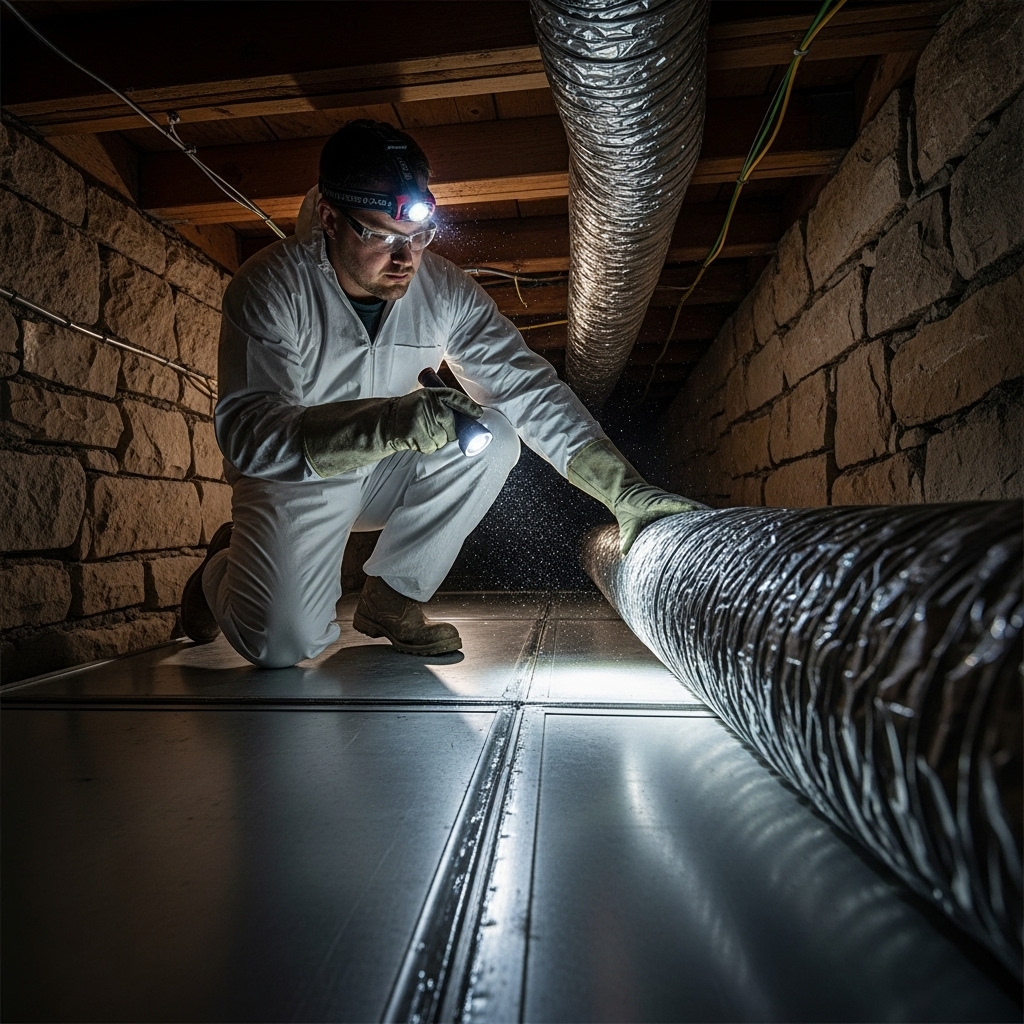
Inspection isn’t just a quick look at a few joints. It is a top-to-bottom evaluation of the air distribution pathway. A complete checklist includes:
- Supply and Return Integrity: Visual examination of trunks, branches, and returns for loose joints, deteriorated tape, and gaps at boots and collars.
- Support and Routing: Checking flex duct supports, bend radii, and run lengths to prevent sagging and restrictions.
- Insulation Condition: Verifying insulation coverage on supplies in unconditioned spaces to limit heat gain or loss.
- Airflow Indicators: Listening for whistling, measuring static pressure where feasible, and observing temperature differentials.
- Cleanliness and Moisture: Identifying dust streaks, microbial concerns, or condensation risks around metal components.
Professionals often supplement visual checks with measurements to quantify problems and confirm repairs.
Common Faults Found in Somerville Homes
Our housing stock ranges from classic homes with sheet metal trunks to newer builds with extensive flex runs. The most frequent faults include:
- Unsealed seams and loose takeoffs allowing air to escape and dust to enter.
- Collapsed or kinked flex ducts reducing airflow to key rooms.
- Undersized or leaky returns that starve the system.
- Poor transitions and long, winding routes that create resistance.
- Insulation gaps in attics or crawl spaces that undermine delivered temperatures.
Left unaddressed, these issues compound: rooms become uncomfortable, humidity control suffers, and the system runs longer to compensate.
From Findings to Fixes: The Repair Plan
After inspection, the path forward should be clear and prioritized. A typical repair plan includes:
- Sealing Major Leaks: Applying mastic to joints and seams; using UL-rated foil tape for specific approved areas.
- Structural Corrections: Re-supporting flex at proper intervals, replacing crushed sections, and tightening transitions.
- Return Improvements: Sealing, resizing, or adding return pathways to ensure the system has the air it needs.
- Insulation Upgrades: Wrapping or replacing insulation on supplies in unconditioned spaces.
- Air Balancing: Adjusting dampers and registers to deliver even comfort across rooms.
This sequence targets the biggest comfort and performance gains first, ensuring your investment delivers visible and measurable results.
Why Testing Makes Repairs More Effective
Measurement is the difference between “probably better” and “proven better.” Static pressure checks, airflow measurements, and leakage testing, when feasible, provide a baseline and confirm the value of repairs. You should be able to see improvements reflected in readings and feel them in steadier temperatures and cleaner air.
DIY vs. Professional Repairs
While simple visual checks are helpful, effective sealing and layout corrections require the right materials and experience. Many consumer tapes fail under heat and humidity. Professionals use mastic, UL-rated foil tape, and mechanical fasteners, and they understand how changes affect the system as a whole. They also verify repairs and fine-tune airflow, which DIY efforts rarely accomplish.
Somerville Climate and Duct Durability
Seasonal expansion and contraction can loosen joints over time. Attics get hot in summer, while basements can be cool and damp. A repair plan that accounts for these conditions—using resilient materials, supporting flex correctly, and insulating exposed runs—stands up better across seasons.
Maintenance Habits That Preserve Performance
- Replace filters consistently to maintain airflow and protect components.
- Keep supply and return vents unblocked to encourage proper circulation.
- Inspect accessible ducts twice a year for loose supports or new gaps.
- Address attic or crawl space moisture to protect insulation and hardware.
These practices help your system hold onto the benefits of professional repairs.
Understanding Air Balancing
After sealing and structural corrections, balancing ensures each room gets the airflow it needs. Technicians adjust dampers, measure airflow, and may recommend register changes or minor rerouting if a particular room remains stubbornly uncomfortable. Balancing is the final polish that turns good repairs into great results.
Working with a Professional: What to Expect
A well-run visit follows a clear rhythm: it starts with listening to your comfort concerns, proceeds through inspection and baseline measurements, delivers targeted repairs, and concludes with verification and a walkthrough. You should feel informed at every step and confident that the work performed addresses the real issues.
Midway Reminder: Choose Proven Expertise
As you plan the next steps, look for a team that puts diagnostics first and explains their recommendations clearly. For dependable outcomes in Somerville homes, consider established air duct repair services that verify results and focus on lasting solutions.
Frequently Asked Questions
-
How often should ducts be inspected? A quick visual check a couple of times a year is smart, with professional evaluations when comfort changes or after renovations.
-
Will repairs help with dust? Yes. Sealing reduces infiltration from attics and basements, helping filters capture more particulates.
-
Can sealing improve humidity control? It can. Tighter ducts help the AC dehumidify living spaces more effectively during summer.
-
Do returns need attention too? Absolutely. Return leaks can draw in unconditioned air and reduce system performance.
-
What materials should be used? Mastic for most sealing, UL-rated foil tape where specified, mechanical fasteners, and proper supports for flex.
-
How long do results last? With quality materials and normal maintenance, repairs can remain effective for years.
-
Is full duct replacement necessary? Not typically. Many systems respond very well to targeted repairs and balancing.
-
Will I need to leave the house? Usually not. Technicians can work while you’re home or away, with a final walkthrough to review results.
Plan Your Path to Steady Comfort
Don’t let leaky or poorly routed ducts continue to steal comfort from your home. With a clear inspection, smart prioritization, and durable repairs, you can enjoy quieter operation, cleaner air, and more even temperatures. When you’re ready to take the next step, schedule reliable air duct repair with a Somerville professional who tests, explains, and delivers results you can feel.
