
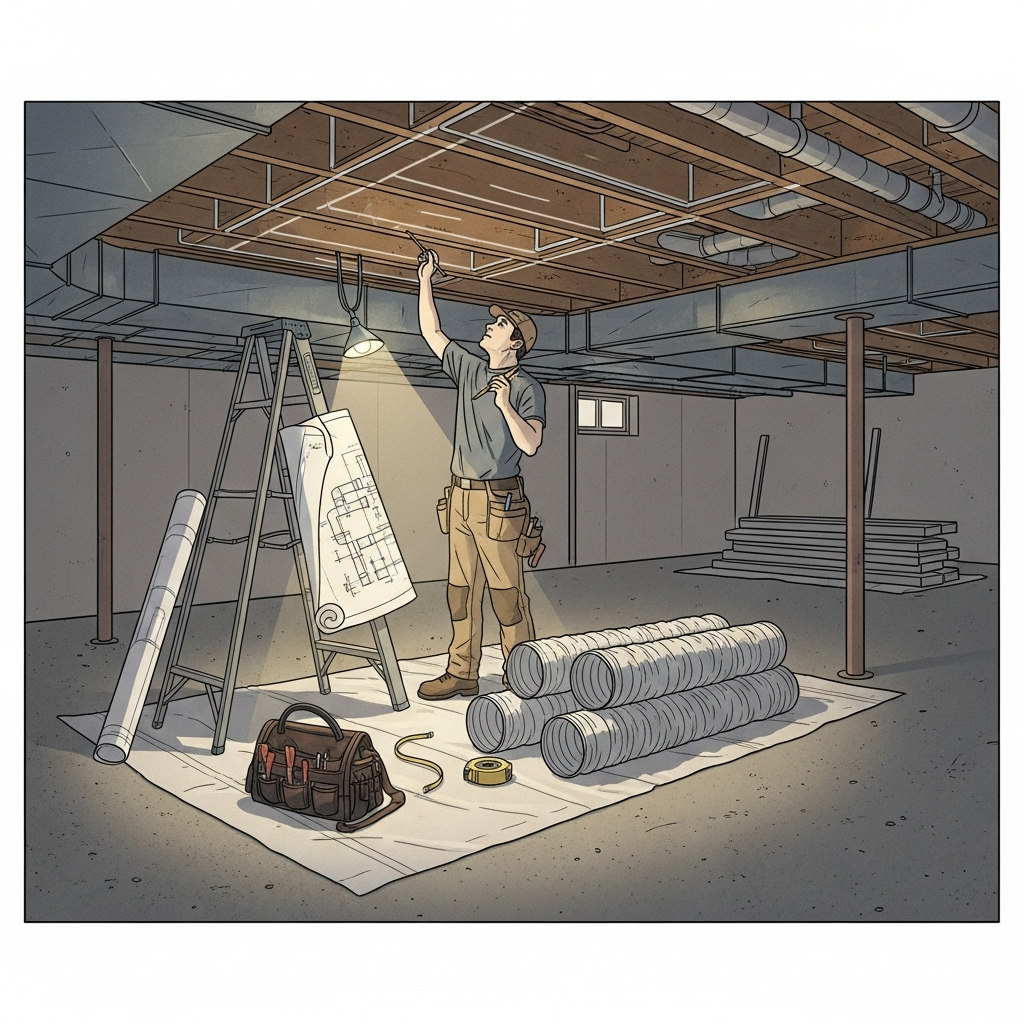
Introduction: A Clear, Step-by-Step Path to New Ducts
Replacing or adding ductwork can seem intimidating, but when you break it into defined stages, the project becomes manageable and predictable. This step-by-step guide is tailored to Somerville, New Jersey homeowners who want clarity about what happens first, what comes next, and how to verify quality at each checkpoint. To set your project up for success from the outset, consider partnering with local specialists in air duct installation who understand code requirements, housing styles, and climate conditions in central New Jersey.
Whether your home is a historic charmer with tight chases or a newer construction that needs smarter zoning, the steps below guide you from planning through commissioning. Along the way, you will learn how each task influences airflow, noise, and efficiency, and how small decisions—like the radius of an elbow or the location of a return—shape your day-to-day comfort.
Step 1: Whole-Home Assessment and Objectives
Begin with a thorough walkthrough. Identify rooms that are routinely too hot or too cold, note where furniture may block future registers, and document existing return locations. Clarify project goals: even temperatures, quieter operation, improved air quality, or support for a new addition. Understanding objectives ensures your design targets the problems that matter most to you and your family.
- Measure each room’s dimensions and ceiling height.
- List insulation levels in attic, walls, and basement.
- Check windows, doors, and sun exposure to estimate heat gains and losses.
- Evaluate current equipment location and service access.
Step 2: Perform Load Calculations
Accurate Manual J or equivalent calculations determine how much heating and cooling each space requires. The output guides airflow targets (CFM) that your ducts must deliver. In Somerville’s climate, properly sized airflow stabilizes temperatures during cold snaps and humid heat waves while helping filtration work effectively.
Beware of “rule-of-thumb” sizing. Oversized or undersized ducts produce noise, drafts, or inadequate comfort. Document the target CFM for each room before moving forward.
Step 3: Draft the Duct Layout
Using airflow targets, sketch the trunk-and-branch or radial layout. Map supply and return routes that minimize sharp turns and long, constricted runs. For multi-level homes, plan returns on each floor to prevent pressure imbalances and to improve overall circulation.
- Place supplies to sweep air across rooms and offset exterior loads.
- Size returns generously and avoid locating them in prohibited spaces.
- Keep flex runs short, straight, and well-supported if used.
- Incorporate balancing dampers on branches for commissioning.
Step 4: Select Materials and Insulation
Choose galvanized metal for trunks and major branches due to its low friction and durability. Leverage quality flex duct sparingly for final takeoffs when space is tight. Determine insulation levels based on duct location—attic, basement, garage, or within conditioned chases—and verify vapor barrier orientation to manage condensation during humid New Jersey summers.
Confirm that all tapes, mastics, and hangers meet code and manufacturer standards. Straightforward material choices made now support quieter operation and stable airflow later.
Step 5: Secure Permits and Schedule Inspections
In Somerville, permits and inspections ensure compliance with New Jersey Uniform Construction Code. Your contractor coordinates this timeline, confirming firestopping, clearances, and accessibility for service. Having an inspection-ready layout avoids rework and keeps your project moving.
Step 6: Prepare the Site
Protect floors and furnishings, stage materials, and mark cut locations. If you are renovating, coordinate with framers and electricians to avoid conflicts that force last-minute reroutes. Create access to chases and attics, and verify safe work areas for ladders or scaffolding.
Step 7: Fabricate and Hang Trunks and Branches
Install trunk lines first, followed by branches. Use long-radius elbows and smooth transitions to reduce resistance. Support ducts at correct intervals to prevent sagging. Where flex is necessary, pull it taut, minimize bends, and avoid compression.
- Install turning vanes in larger elbows where needed.
- Keep takeoffs aligned with airflow to reduce turbulence.
- Use screws and approved fasteners per material and code.
Step 8: Seal Every Joint
Seal seams, collars, and takeoffs with mastic or UL-listed foil tape. Airtight returns are as important as airtight supplies; unsealed returns can pull dust and unconditioned air from basements, crawlspaces, or garages. Proper sealing preserves the designed CFM and reduces energy loss.
Step 9: Insulate Strategically
Wrap ducts in unconditioned spaces to the specified R-value. Tape or seal insulation joints and ensure the vapor barrier faces the correct direction. Focus on supplies near the air handler and long runs exposed to attic heat that can otherwise cause temperature drift.
Step 10: Set Registers, Grilles, and Dampers
Install supply registers where they effectively mix room air without causing drafts. Mount return grilles to encourage thorough circulation and keep noise low. Confirm that balancing dampers are accessible for commissioning and future tune-ups.
Step 11: Verify Static Pressure and Airflow
Measure total external static pressure at the air handler and compare it to equipment specifications. Use flow hoods or anemometers to confirm that each room receives its target CFM. Adjust branch dampers and register vanes as needed to fine-tune comfort.
Step 12: Mid-Project Review and Adjustments
Pause for a progress review once main trunks and several branches are in place. Walk the site with your installer to confirm register locations and discuss any layout refinements based on field realities. If you are weighing options for a tricky room or considering zoning, ask about local best practices in air duct installation services that have worked for homes similar to yours.
Step 13: Clean, Label, and Document
Before closing up walls or ceilings, remove debris and label key components—dampers, critical branches, and trunks. Take photos for your records, especially for concealed runs. Documentation helps future service technicians diagnose issues quickly and prevents accidental damage during future projects.
Step 14: Final Inspection and Commissioning
Complete a final code inspection, then run a commissioning checklist: verify thermostat operation, test modes, check condensate paths, and confirm filter fit and accessibility. Re-measure airflow after any adjustments. Deliver as-built diagrams and operating tips to the homeowner.
Step 15: Ongoing Care and Seasonal Tips
Set a schedule for filter changes and periodic checks of returns and registers. If you modify your home—finish a basement, enclose a porch, or replace windows—revisit airflow targets and rebalance as needed. Seasonal swings in Somerville make proactive maintenance especially valuable to preserve comfort and system longevity.
Pro Tips to Maximize Results
- Favor gentle turns and smooth fittings over abrupt transitions to keep noise down.
- Right-size returns; under-sized return paths create whistling and starve airflow.
- Keep flex duct runs short and straight; avoid tight bends and compression.
- Place registers to work with, not against, typical furniture arrangements.
- Label hidden dampers; future you will thank you during tune-ups.
Quality Control Checklist You Can Use
- Load calculations completed and airflow targets documented for each room.
- Layout minimizes sharp turns and long runs; returns present on each level as needed.
- Materials verified: metal trunks, limited flex, code-compliant tapes and mastics.
- All joints sealed; returns airtight; boots sealed to surrounding surfaces.
- Ducts insulated appropriately for location with correct vapor barrier orientation.
- Static pressure measured and within equipment specifications.
- Room-by-room CFM measured and tuned to targets.
- Registers and grilles installed for optimal throw and low noise.
- Documentation delivered: as-built layout, damper locations, and maintenance schedule.
- Final inspection completed and any punch-list items resolved.
Frequently Asked Questions
Q: How long does a step-by-step installation typically take?
A: Timelines depend on home size, accessibility, and whether drywall work is required. Projects that reuse existing chases and have clear pathways move more quickly than full retrofits across multiple floors.
Q: What if a room is still uncomfortable after installation?
A: Start by checking filter condition and register settings, then consult your installer to verify static pressure and room CFM. Minor damper adjustments usually resolve lingering imbalances.
Q: Can I reuse any existing duct sections?
A: If they are in good condition, appropriately sized, and well located, some runs may be reused. Your assessment and commissioning measurements will determine what stays and what is replaced.
Q: Do I need zoning?
A: Zoning can be beneficial in multi-level homes or layouts with large solar gains on one side. It should be paired with a balanced duct design and proper controls to prevent pressure spikes.
Q: How do Somerville’s seasons influence design?
A: Insulation and vapor barrier details help manage summer humidity, while airtight construction and balanced returns maintain steady winter comfort.
Q: Is duct leakage testing required?
A: Requirements vary by project and jurisdiction. Even when not required, leakage testing is a useful quality check that verifies sealing work.
Q: Will new ducts be louder?
A: Properly designed ducts are typically quieter, thanks to correct sizing, smoother fittings, and balanced airflow. Oversized returns and thoughtful register selection further reduce noise.
Q: What maintenance is recommended?
A: Replace filters on schedule, keep returns unobstructed, and request a professional check if you notice new hot or cold spots or increased noise.
Take the Next Step with Confidence
Now that you have a clear sequence—from assessment and calculations to sealing, insulation, and commissioning—you can approach your project with confidence and a practical checklist. If you want expert guidance tailored to Somerville homes and building codes, reach out to trusted professionals for air duct installation services and move forward knowing each step will be executed with care and precision.
