
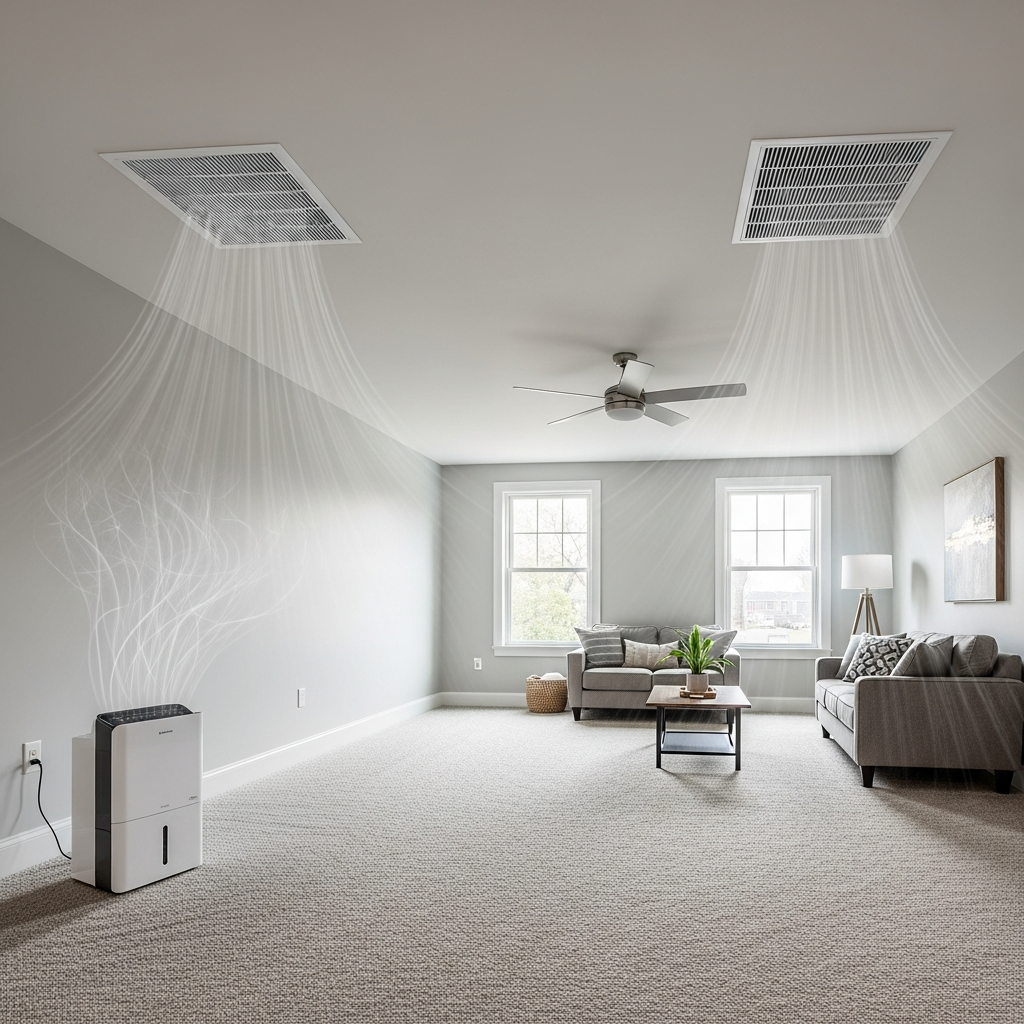
Welcome to Your Complete Air Duct Installation Guide
Few home upgrades influence daily comfort as dramatically as a well-designed duct system. In Somerville, New Jersey—where summers are warm and humid and winters can be brisk—proper duct installation determines how evenly each room is conditioned, how quietly your HVAC operates, and how effectively your filtration improves indoor air quality. This comprehensive guide explains everything from planning and design through commissioning and care, with local insights that reflect Somerville’s housing mix and climate. If you are considering a project soon, engaging professionals who specialize in air duct installation can help you make confident decisions and avoid common pitfalls.
Whether your home is a historic gem with character woodwork or a contemporary build with open spaces, the principles remain: calculate loads, design balanced supply and return paths, use the right materials, seal meticulously, insulate intelligently, and verify performance. Let’s explore each step in detail.
Planning: Goals, Constraints, and Budget Priorities
Start by defining what you want to improve. Are certain rooms always a few degrees off? Do you hear whistling at returns or feel drafts from registers? Are you adding a level or finishing a basement? Goals guide design choices: return sizing, register placement, zoning, and insulation levels. Take inventory of constraints such as attic height, existing chases, electrical panels, or structural beams that can shape routes and fittings.
In parallel, think about lifecycle priorities: quiet operation, filtration, accessibility for service, and future adaptability in case you remodel down the road. Capturing these preferences early informs smarter layout and hardware choices later.
Load Calculations and Airflow Targets
Professional-grade load calculations (Manual J or similar) are non-negotiable. They translate your home’s specifics—square footage, ceiling height, insulation, windows, and orientation—into heating and cooling needs for each room. Those results set airflow targets (CFM), which underpin duct sizing and register selection. In Somerville’s variable climate, correct airflow prevents temperature swings and supports consistent humidity control.
Skipping calculations invites chronic issues: too much airflow to small rooms that become noisy and drafty, or too little to larger spaces that never feel quite right. The target CFM sheet becomes your north star during design and commissioning.
Duct Design Fundamentals
Effective layouts minimize resistance. Trunks and branches should use long-radius elbows, smooth transitions, and appropriately sized takeoffs. Return paths must be as thoughtfully designed as supply paths to avoid starving the system and increasing noise. Place registers so their throw pattern sweeps across the room and encourages mixing rather than blasting occupants directly.
On multi-level homes, consider returns on each floor and, where appropriate, zoning to address different heat gains between upstairs bedrooms and main-level living spaces. A good design also anticipates maintenance: ensure filters, dampers, and coils are accessible.
Choosing Materials
Galvanized sheet metal is preferred for trunks and major branches due to its strength and low friction. Flex duct can be a useful tool for short, tight connections when installed taut and supported at proper intervals. In select locations, fiberglass-lined metal ducts can help reduce noise, provided they are installed per manufacturer guidance to protect indoor air quality.
Hardware and accessories—hangers, vibration isolators, and fasteners—should be matched to the environment. For basements with some moisture, corrosion-resistant components add longevity.
Sealing and Insulation Best Practices
Meticulous sealing using mastic or UL-listed foil tape prevents leakage that wastes conditioned air and introduces dust through return leaks. Insulation strategy depends on location: attic or garage runs need higher R-values and well-detailed vapor barriers; ducts in conditioned chases may need less but still benefit from thermal stability and sound attenuation.
Somerville’s humidity makes condensation control critical in summer. Insulation joints must be sealed, and vapor barriers oriented correctly, to protect ceilings and walls from moisture.
Permits, Codes, and Inspections
Somerville follows New Jersey Uniform Construction Code. Expect mechanical permits and inspections that review firestopping, clearances, return restrictions, support spacing, and accessibility for service. Provide clear layout documentation to streamline approvals and reduce the chance of rework.
Installation Sequence
The build typically follows a consistent order: protect the site, mark routes, hang trunks, add branches, seal all joints, insulate, set registers and returns, then commission the system. Coordination with other trades prevents last-minute route changes that can compromise airflow or create noise.
- Site prep and protection.
- Trunk installation with long-radius fittings.
- Branch connections with accessible dampers.
- Sealing of all seams and boots.
- Insulation with correct vapor barrier orientation.
- Register and grille installation.
- Static pressure and airflow verification.
Commissioning: The Proof of Performance
Once assembled, technicians measure total external static pressure and room-by-room airflow. They adjust dampers and register vanes until readings match targets. This is the moment where design meets reality, and where meticulous sealing and correct fittings prove their value in low noise and steady comfort.
Upgrades and Options
Consider enhancements that complement new ducts:
- Zoning for multi-level or addition-heavy layouts.
- High-MERV filtration paired with appropriate duct sizing to manage pressure drop.
- Sound attenuation near the air handler or in rooms where quiet is paramount.
- Return air improvements to reduce whistling and improve circulation.
Somerville-Specific Considerations
Older homes may have limited chases and load-bearing walls that complicate routing. Creative solutions—compact round ducts, soffits built into closets, or short, well-supported flex runs—help deliver performance without altering character. Newer builds often benefit from refined return sizing, added attic insulation on long runs, or zoning to address solar gains in open living spaces.
Maintenance for Long-Term Reliability
Post-installation, maintain steady performance with scheduled filter changes and occasional checks for airflow balance. If you remodel—finish a basement, add a room, or upgrade windows—ask for a quick reassessment to ensure targets still match your home’s needs. Seasonal swings in central New Jersey make proactive care especially helpful.
Troubleshooting Common Issues
- Uneven temperatures: verify damper positions and room CFM; inspect for blocked returns or furniture covering registers.
- Noise or whistling: check for undersized returns, sharp transitions, or restrictive grilles; verify static pressure.
- Humidity concerns: ensure proper insulation and vapor barrier details; confirm continuous airflow to problem areas.
- Dusty rooms: check return sealing and filter fit; confirm that returns are not drawing from wall cavities or attics.
Working with a Contractor
Choose a team that offers documented load calculations, clear drawings, and commissioning results. Ask about their approach to sealing, insulation details, and how they will measure and adjust airflow. Request photos of concealed runs and labels for hidden dampers; these small touches simplify future service.
Mid-Project Checkpoints
Midway through the build, walk the site to confirm register placements and damper accessibility. If field conditions require changes, ensure they are documented and assessed for airflow implications. This is also a good moment to discuss local best practices in air duct installation services for homes like yours—particularly if zoning or special sound control is on your wishlist.
What Success Looks Like
After commissioning, each room should reach target temperatures without drafts, the system should run quietly, and filters should be easy to access and replace. Registers will throw air across spaces rather than directly at occupants, and returns will keep circulation smooth without whistling. Static pressure readings will stay within manufacturer limits, protecting equipment and enhancing efficiency.
Frequently Asked Questions
Q: How long does an installation usually take?
A: Timelines depend on home size, accessibility, and coordination with other trades. Straightforward replacements can be quicker than full redesigns across multiple floors or historic homes with tight chases.
Q: Can I reuse existing ducts?
A: Possibly. If they are well sized, in good condition, and align with the new design targets, select sections can be retained. Commissioning verifies whether they meet performance goals.
Q: Will new ducts reduce noise?
A: With proper sizing, smooth fittings, and balanced airflow, noise typically decreases. Correct return sizing and strategic insulation near the air handler further quiet operation.
Q: Do I need zoning?
A: Zoning is helpful for multi-level layouts or homes with additions and uneven solar gains. It should be paired with a balanced duct design and proper controls.
Q: How do I prevent condensation on ducts?
A: Use appropriate insulation levels, seal insulation seams, and ensure the vapor barrier is correctly oriented—especially for attic or garage runs exposed to summer humidity.
Q: What documents should my contractor provide?
A: Load calculations, as-built duct drawings, commissioning data (static pressure and room CFM), and equipment manuals. Photos of concealed runs and damper labels are also valuable.
Q: What if a room still feels off after installation?
A: Check filter condition and register settings first, then ask for a quick airflow and static pressure review. Small damper adjustments often resolve stubborn spots.
Q: Are permits required in Somerville?
A: Most projects require mechanical permits and inspections. Your contractor will coordinate approvals and site visits.
Ready to Upgrade Your Home’s Comfort?
From careful planning and sizing to airtight sealing, robust insulation, and verified airflow, great ductwork is built on proven steps executed with precision. If you are ready to transform comfort in your Somerville home, reach out to trusted local experts in air duct installation in Somerville and take the next step toward quieter, more consistent temperatures and healthier indoor air.
