
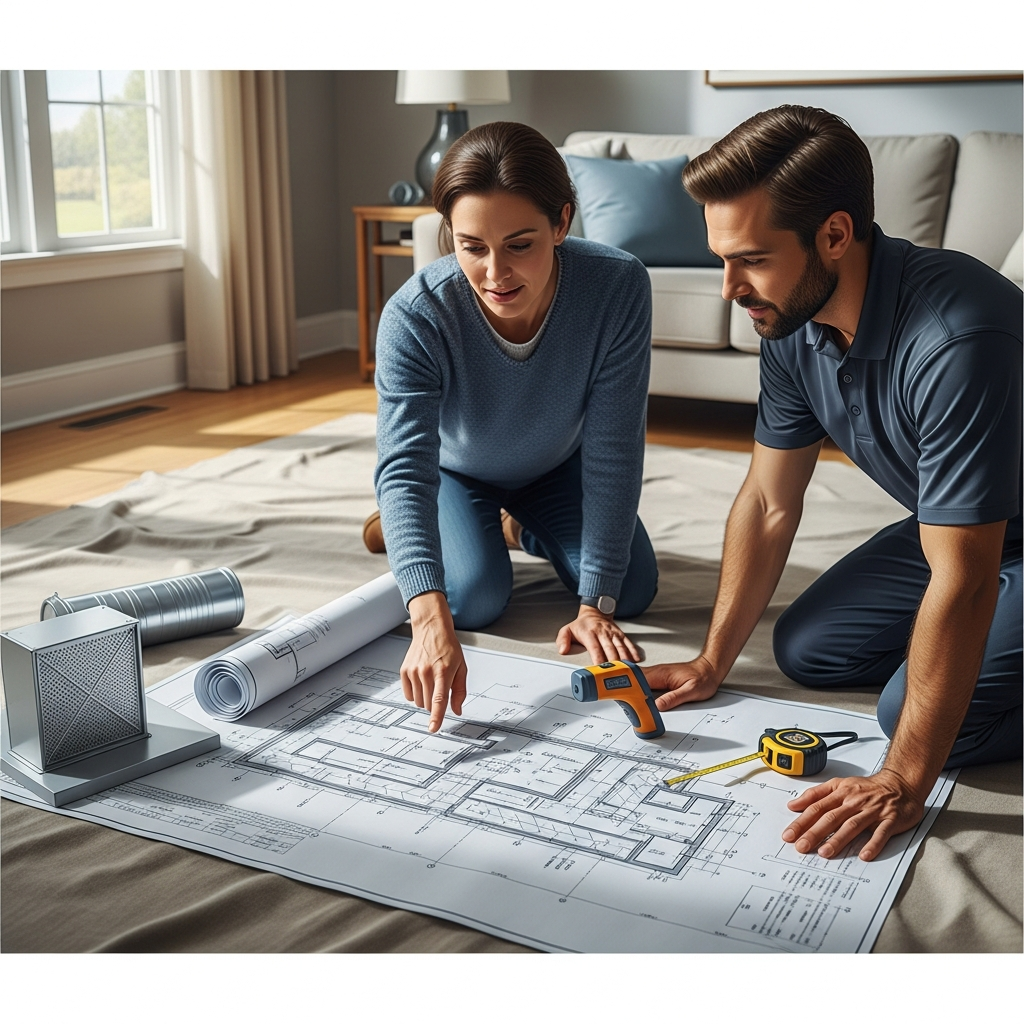
Upgrading or replacing your home’s ductwork can transform comfort, energy use, and indoor air quality. Yet many homeowners are unsure how to evaluate their current ducts, what a good design looks like, or how to plan a smooth project from start to finish. This guide explains the essentials of home air duct installation for Somerville, New Jersey, with practical advice you can use to make confident decisions. If you’re in the research phase, a professional consultation for air duct installation will clarify options, reveal potential constraints, and help you prioritize upgrades that matter most for comfort and performance.
Why Ductwork Matters More Than You Think
Your HVAC equipment can only deliver comfort if the ducts distribute air efficiently and evenly. Poorly designed or leaky ducts create rooms that are too hot or cold, raise energy use, increase noise, and introduce dust. In Somerville’s mixed climate—cold winters and humid summers—balanced airflow and tight ducts are critical to support heating and cooling equipment throughout the year.
Signs Your Home May Need New Ducts
- Large temperature differences between rooms or floors, especially second-floor bedrooms in summer
- High energy bills despite well-maintained equipment
- Visible duct damage, kinks in flex runs, or disconnected sections
- Dust accumulation around registers or return grilles
- Excessive noise or whistling from vents
- Frequent filter dirtiness or indoor air quality complaints
- A remodeled floor plan that original ducts no longer serve well
Step 1: Assessment and Load Calculation
A professional assessment starts with a Manual J load calculation to determine room-by-room heating and cooling needs. The audit considers insulation levels, window areas, building tightness, and orientation. The result informs duct sizing and helps avoid the twin problems of undersized branches and oversized trunks.
Homeowners can prepare by noting comfort issues, measuring rooms, and sharing renovation plans that might affect duct routes. If you plan to finish an attic or basement, mention it early so the design allows for future flexibility.
Step 2: Duct Design and Materials
Proper design includes trunk and branch sizing, return placement, and register selection. Good layouts minimize sharp bends and long runs. Materials may include sheet metal, duct board, and limited, well-supported flex for final connections. Each material has pros and cons for durability, noise control, and insulation.
In Somerville homes, basements often host the main trunk with branches rising through interior walls or closets. Attic routing is common for second-floor supplies, but it requires robust insulation to prevent heat gain and condensation. If your home has low joists or tight chases, designers may propose creative soffits to maintain performance without compromising aesthetics.
Step 3: Permitting and Code Requirements
Local codes set expectations for duct insulation in unconditioned spaces and may require duct leakage testing. A reputable contractor secures permits when needed, adheres to New Jersey energy codes, and schedules inspections. Code compliance isn’t just about passing; it is how you ensure safe, efficient, and durable results.
Step 4: Installation Process Overview
- Site protection with drop cloths and dust control
- Removal of old duct sections (if applicable) and disposal
- Installation of trunks and branches with sealed joints
- Insulation of ducts in attics, crawlspaces, or garages
- Register and return grille placement
- Balancing using dampers and measurements
- Control integration and thermostat setup
- Commissioning and homeowner orientation
Planning for Comfort: Returns, Balancing, and Zoning
Adequate return air is essential. Many older homes have limited returns, creating noise and stress on the blower. Adding a return on each level can dramatically improve airflow. Balancing dampers allow fine-tuning for each room, while zoning uses motorized dampers and multiple thermostats to control groups of rooms independently. These strategies are helpful in multi-story homes or layouts with sun-exposed rooms that need additional cooling in summer.
Noise Reduction Tips
- Use smooth-radius elbows and avoid abrupt transitions
- Size registers to reduce outlet velocity
- Employ lined metal or duct board in sensitive rooms
- Place returns away from bedrooms when possible
- Isolate the air handler with vibration pads
Indoor Air Quality Considerations
Sealed duct systems reduce dust and allergens by preventing infiltration from attics or crawlspaces. Proper filter cabinets prevent bypass. If upgrading filtration, ensure the system can handle associated pressure drops; otherwise, you may reduce airflow and comfort. Balanced supply and return flows also reduce negative pressure that could draw pollutants from basements or garages.
Working With Contractors
Request a clear scope of work that lists materials, insulation levels, duct sizes, and testing protocols. Ask how the team will protect finished areas, manage dust, and handle surprises. Expect daily updates during installation and documentation after commissioning. A professional approach includes measurements—static pressure, temperature splits, and, when applicable, leakage test results—so you have a performance baseline.
Timeline and What to Expect
Most single-system homes require one to three days, depending on access, complexity, and whether demolition is needed. During the project, you may hear tool noise and feel brief temperature swings while the system is off. Crews typically phase work to restore comfort as quickly as possible. Attic work is often scheduled earlier in the day for safety and quality during warm months.
Budgeting Priorities Without Pricing
While we won’t discuss costs, it helps to understand priority choices. Spending effort on design, sealing, insulation, and balancing consistently delivers comfort benefits. Cosmetic grilles can be upgraded later, but poorly sealed joints or undersized returns are harder to fix after the fact. Prioritize function and performance in the initial project scope.
Maintenance After Installation
Change filters on schedule, keep registers clear, and avoid closing more than one or two supplies, which can raise static pressure. Inspect visible ducts annually for damaged insulation, condensation, or loose supports. If you remodel, consult a professional to adjust runs so performance stays aligned with the new floor plan.
Mid-Project Checkpoints for Homeowners
Effective homeowners stay engaged without micromanaging. Ask for confirmation that trunk and branch sizes match the design, verify that joints are sealed with mastic or UL-rated foil tape, and confirm insulation coverage in unconditioned areas. In the middle of the work, it’s a good time to revisit how professional air duct installation will address any comfort complaints you had before—such as that back bedroom that never cooled well or the living room draft in winter.
Somerville-Specific Tips
- Basement moisture: ensure insulation facings and vapor control align with best practices to prevent condensation on metal ducts.
- Historic homes: expect creative routing and careful sealing around penetrations to preserve character while improving comfort.
- Townhomes and condos: confirm HOA requirements for equipment noise, appearance of exterior terminations, and work hours.
- Winterization: insulated ducts in unconditioned attics help prevent heat loss and ice-dam-related moisture issues.
Frequently Asked Questions
Q: Can I keep some of my existing ducts?
A: If they are correctly sized, in good condition, and accessible for sealing and insulation, selected sections may be reused. The design should confirm performance with measurements.
Q: Will ducts help reduce humidity in summer?
A: Balanced, well-sealed ducts support the equipment’s ability to dehumidify by ensuring air moves across the coil at the right volume. Leaks and imbalances undermine this effect.
Q: How do I choose register types?
A: Consider throw and spread for each room. Larger registers with diffusers that direct air along exterior walls often improve comfort and reduce drafts.
Q: What happens during commissioning?
A: Technicians verify blower settings, measure static pressure and temperatures, balance dampers, and demonstrate thermostat and zoning controls.
Q: Do I need to vacate during installation?
A: Usually no. Crews protect work areas and phase tasks to limit disruption. Some homeowners step out during attic work on hot days for comfort.
Moving Forward With Confidence
A strong outcome depends on good design, careful installation, and thorough testing. In Somerville, these fundamentals ensure reliable comfort across seasons and reduce future maintenance headaches. If you are ready to evaluate your home, schedule an assessment with a local team that documents performance and stands by their work. Start with a conversation about goals, layout options, and how precise air duct installation can make every room feel just right.
Start improving your home’s comfort
Discuss your current comfort challenges, review a tailored duct design, and plan an installation window that fits your schedule. With the right partner, you can expect quieter operation, consistent temperatures, and better indoor air quality. Reach out to a Somerville specialist to take the first step toward a well-balanced, efficient home today.
