
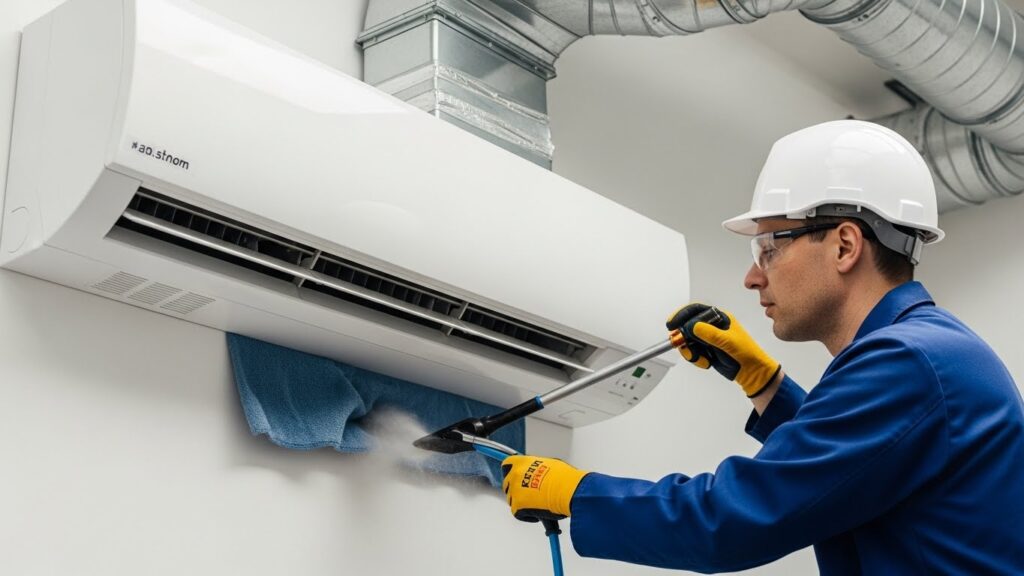
Keeping a home clean is a continuous effort. From wiping surfaces to vacuuming floors, dust collects faster than many people expect. No matter how often you clean, it can feel like dust settles again within a day. While many homeowners assume dust simply comes from outside or daily activity, one major source is often overlooked: the HVAC ductwork hidden behind the walls and ceilings. This is why many families rely on air duct cleaning as part of their strategy for maintaining a cleaner, healthier indoor environment. Dust doesn’t just appear out of nowhere—it forms from tiny particles shed by humans, pets, fabrics, and outdoor elements that drift inside.
When your HVAC system circulates air, it also pulls in airborne particles, many of which get trapped inside the ducts. Over months and years, this buildup becomes significant, making duct cleaning an essential step toward reducing household dust. This article explores how dust accumulates, how it gets into your ductwork, and how cleaning the ducts can help keep your home cleaner and more comfortable. Why Dust Builds Up So Quickly in Homes Dust is made up of countless small particles. These include: Skin flakes Hair and fabrics fibers Pet dander Pollen Dirt from shoes or clothing Microscopic debris from everyday activity Even the cleanest home has a natural amount of dust, but the problem grows when the HVAC system recirculates dust that has already settled inside the ductwork. Dust Circulates Through the Air Constantly Any time someone walks across the floor, opens a door, or moves furniture, tiny particles are released into the air.
When the HVAC system turns on, it pulls these airborne particles into the return vents. Some of them get trapped by the filter, but many continue deeper into the duct system. Dust Settles Inside Ducts and Accumulates Over Time Inside ductwork, dust builds up along the interior walls. As it accumulates, every HVAC cycle pushes some of that dust back into your living space. This creates the cycle many homeowners notice: You dust… and shortly after, dust returns. This is often a sign that the ductwork may need attention. Routine air duct cleaning helps break this cycle by removing years of dust buildup. air duct cleaning How Dust Inside Ducts Affects Your Home Because ducts are hidden, many homeowners don’t realize how much the condition of the ductwork affects everyday living. A dusty duct system contributes to: 1. Dusty Surfaces Dust expelled from vents settles on shelves, tables, floors, electronics, and décor. 2. Stale or Musty Indoor Air Old dust inside ducts can create a lingering smell that circulates through the home. 3. More Frequent Cleaning Homes with dusty ducts require more vacuuming, sweeping, and dusting to stay clean. 4. Dirty Air Vents Dust around the edges of vent covers is a clear sign that debris is being blown out from inside the ducts. 5. Dusty Upholstery and Fabrics Furniture, bedding, curtains, and carpets collect dust more quickly when airborne particles are constantly recirculated. 6. More Strain on the HVAC System Dust buildup restricts airflow, making the system work harder to maintain temperatures. This is why many households incorporate duct cleaning into their routine cleaning plan to maintain a cleaner and more comfortable living environment. Why Air Duct Cleaning Helps Reduce Household Dust A thorough duct cleaning reaches deep into the HVAC system, removing built-up debris that vacuuming and surface cleaning cannot address. By eliminating layers of dust inside the ducts, you reduce the amount of airborne debris being pushed into the home. Cleaner Air Means Cleaner Surfaces When the system circulates cleaner air, less dust settles around the home. Reduced Dust Blown Out of Vents Once the inside of the ducts is cleared, the system no longer distributes old dust into the rooms. More Effective HVAC Filters Filters work better when ducts aren’t overloaded with years of buildup. Better Airflow for Cleaner Circulation Air moves more freely through clean ducts, allowing the home to feel fresher and less stuffy. Routine air duct cleaning becomes a powerful tool for homeowners who want a cleaner, healthier, and more pleasant indoor environment. air duct cleaning How Dust Gets Pulled Into and Pushed Out of Your Ducts Understanding how dust moves through a home helps explain why duct cleaning is so beneficial. 1. Air Intake Process When your HVAC system turns on, it pulls air through the return vents. This air contains airborne dust from everyday living. 2. Dust Travels Into the System Filters capture some of the particles, but many slip through and settle inside the duct walls. 3. Debris Accumulates Over Time As dust layers build, vibration and airflow break loose small particles that are blown back into your rooms. 4. Dust Is Redistributed Each cycle of heating or cooling pushes dust into your home, which settles on surfaces. 5. Airflow Becomes Restricted The more dust inside the ducts, the more the airflow is slowed, creating uneven temperatures and heavier air movement. This constant cycle continues until the ducts are properly cleaned. Signs Your Home May Have Dusty Air Ducts While homeowners cannot usually see inside their ducts, the home often provides clues: Dust on Vent Covers If vent covers need frequent cleaning, airflow may be carrying dust out of the ducts. Dust Reappears Quickly After Cleaning When dust settles shortly after you clean, it may be coming from the ductwork itself. Persistent Stale Odors Dusty ducts often produce a stale smell that becomes noticeable when the HVAC system starts. Visible Dust Inside the Duct Opening Removing a vent cover and seeing dust inside the duct is a clear indicator of buildup. Uneven Airflow Rooms that feel harder to cool or heat may be affected by blocked or dusty ducts. Increased Dust During HVAC Cycles If you notice dust floating in the air when the system turns on, the ducts may need cleaning. How Clean Air Ducts Support a Cleaner Household Reducing dust inside the ducts creates benefits throughout your home: Cleaner Living Areas Surfaces stay dust-free longer, reducing the amount of weekly cleaning needed. Cleaner Floors and Carpets Dust blown from vents often settles on the floor, creating a gritty feel. Clean ducts help reduce this. Better Air Circulation Fresh, unrestricted airflow improves the overall comfort of the home. Less Dust on Upholstery and Fabrics Couches, curtains, bedding, and carpets stay cleaner with reduced airborne dust. Fresher Indoor Environment Clean ducts help eliminate stale or dusty odors. More Balanced Temperatures Restricted airflow from dusty ducts often causes hot and cold spots. Cleaning helps restore consistency. Long-Term Benefits of Maintaining Clean Ductwork Air duct cleaning is not just a quick fix—it provides long-term improvements that help maintain a cleaner, more comfortable home: Reduced Long-Term Dust Accumulation By removing years of buildup, you reset the system and slow down future dust circulation. Improved Indoor Air Quality Cleaner ducts reduce airborne particles, helping maintain fresher, healthier air. A More Comfortable Living Space A home with cleaner air simply feels better—lighter, fresher, and easier to maintain. Better HVAC Performance When ducts are free from dust blockages, the system operates more smoothly and maintains temperatures more efficiently. A Cleaner Home Overall Duct cleaning supports all your regular cleaning efforts, helping your home stay neater and fresher longer. Routine air duct cleaning is one of the most effective steps homeowners can take to reduce dust, improve indoor air quality, and create a cleaner living environment.
