Professional Kitchen Exhaust Hood Cleaning in Somerville, New Jersey
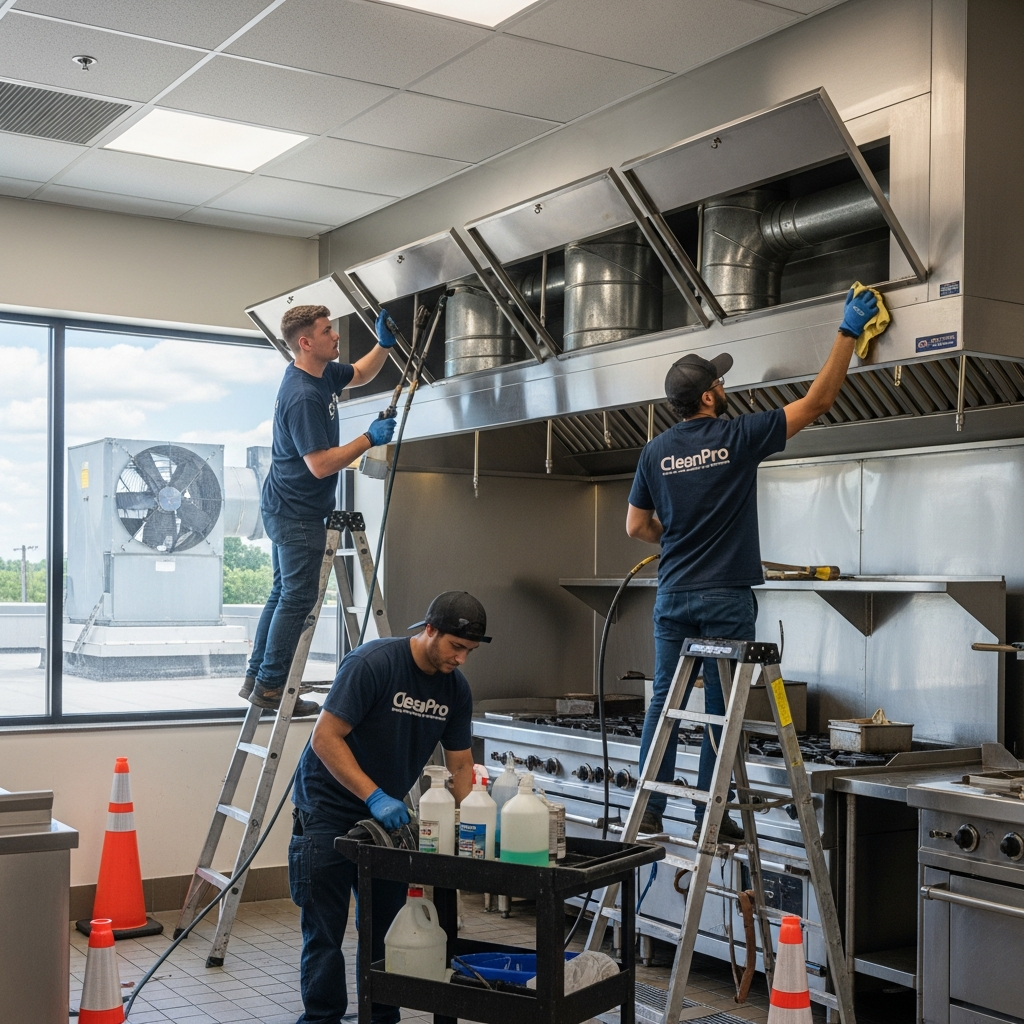
Professional exhaust hood cleaning is more than a shine on stainless steel; it is a disciplined, system-wide process that removes flammable residue from hoods, ducts, and rooftop fans while preserving airflow design. For kitchens across Somerville, New Jersey, partnering with experienced technicians means safer operations, smoother inspections, and longer-lasting equipment. From the cookline to the roof curb, every part of the ventilation pathway demands attention, documentation, and a mindset focused on prevention. Engaging a team for thorough kitchen exhaust hood cleaning offers the confidence that hidden risks are addressed and that your facility stands ready for daily service and unscheduled audits alike.
Restaurants, catering facilities, hotels, and institutional kitchens all share the same challenge: control grease-laden vapors at the source and maintain verifiable records of cleaning. The right professional service delivers consistent results shift after shift, helping chefs concentrate on food quality while facilities managers trust the ventilation system to do its job quietly and effectively.
What Defines a Professional Cleaning
True professionalism appears in preparation, method, and follow-through. Preparation includes mapping the system, protecting equipment, and coordinating with your team. Method means reaching every surface, not just the visible ones, and using compatible chemicals with proper dwell times. Follow-through includes rigorous testing, reactivation of fans and suppression where applicable, and reporting that clarifies what was done and what should be addressed next. When these elements align, you get predictable, inspection-ready cleanliness.
End-to-End System Coverage
- Hood interiors and plenums: Degreased and rinsed to remove combustible residue.
- Baffle filters: Soaked, cleaned, inspected for damage, and reinstalled correctly.
- Ductwork: Accessed at multiple points to ensure a complete clean through verticals and horizontals.
- Exhaust fan: Blades, housings, belts, and motors checked and cleaned as applicable.
- Rooftop areas: Grease containment serviced and roof surfaces protected from staining.
- Sticker and report: Clear documentation with dates, photos, and recommendations.
Coordination With Your Team
Professional crews work with managers to minimize disruption. Many Somerville kitchens prefer overnight or early morning windows when appliances have cooled and the line can be cleared for protective sheeting. Teams align on lockout and suppression procedures to ensure safe, efficient work. When the visit concludes, your staff finds a clean, ready-to-cook space with filters in place and a polished hood that projects confidence.
Reporting That Makes Inspections Easier
A strong report is concise, visual, and actionable. It includes before-and-after images, notes on ducts and the fan, and a summary of any repair needs such as hinge kits, access panels, or belt replacements. The sticker, placed visibly on or near the hood, records the service date and the next due date. Managers can quickly verify compliance and plan future visits without hunting through emails or filing cabinets.
Performance and Comfort Gains
When ducts and fans are free of residue, airflow improves. Capture at the hood becomes more reliable, heat stress on the line declines, and odors are less likely to travel to the dining area. Clean, balanced ventilation can contribute to steadier temperatures, helping teams maintain focus during busy services. These gains add up to tangible value for staff morale and guest experience.
Protecting the Roof and Fan
Rooftop areas are easy to overlook but critical to long-term system health. Professional cleaning includes evaluating hinge kits, checking for fan wobble, and maintaining grease containment. Roof surfaces should be cleaned of residue to prevent degradation and slip hazards. Consistent care reduces emergency calls, extends equipment life, and supports good relationships with landlords and neighbors.
Scheduling and Scalability
Whether you operate a single-location concept or manage multiple sites around Somerville, a repeatable schedule simplifies life. Align cleaning intervals with menu intensity and hours of operation. Identify high-grease stations that may need additional attention, and coordinate with your provider to target those areas proactively. As your concept evolves, your service plan should evolve with it—ensuring safety and comfort remain constants.
Quality Markers to Look For
- Clear scope: A defined plan covering hoods, ducts, fans, and rooftop containment
- Access capability: Willingness and tools to add access panels for complete coverage
- Containment discipline: Effective wastewater and overspray control
- Chemical know-how: Use of compatible degreasers and proper dwell times
- Documentation: Photo-rich reporting with specific, actionable recommendations
- Communication: Scheduling clarity, on-time arrival, and courteous coordination with kitchen leaders
Middle-of-Cycle Optimization
Halfway between scheduled visits, review capture at the hood edges, check filter condition, and look for signs of rooftop saturation. If you run a promotion heavy on frying or introduce a char menu, update your plan. A short, targeted visit can keep airflow healthy and reliable. When in doubt, schedule professional kitchen exhaust hood cleaning sooner rather than later to stay ahead of grease accumulation and maintain steady performance.
Integrating with Safety Programs
Exhaust cleaning fits naturally into broader safety frameworks, including employee training, slip and fall prevention, and fire drills. Incorporate ventilation checks into pre-service walkthroughs and closing routines. Keep a simple log accessible to managers so trends are easy to spot and act upon. The more your team sees ventilation care as part of daily professionalism, the more consistent your outcomes will be.
Frequently Asked Questions
What distinguishes professional cleaning from a basic wipe-down?
Professional cleaning reaches the entire exhaust pathway with the right tools and methods, documents the work, and verifies readiness for operation. A wipe-down treats surfaces you can see but misses the ducts and fan where risk is highest.
How often should professional service occur?
Intervals depend on menu, volume, and hours of operation. High-grease cooking often requires more frequent visits. Monitor grease thickness and capture performance, then set a schedule that prevents heavy buildup between services.
What proof should I expect after service?
Look for a clear report with photos, technician notes, and recommendations, plus a visible sticker showing the service date and next due date. This documentation supports inspections and internal audits.
Can my staff reduce the need for frequent service?
Staff can handle daily and weekly care—wiping exteriors, washing filters, emptying grease cups, and reporting issues. These routines support airflow and appearance but do not replace deep cleaning of ducts and fans.
What are signs my rooftop fan needs attention?
Rattling, wobble, unusual vibration, grease staining around the curb, or odors returning quickly after cleaning indicate possible problems. Address these signs promptly.
How do pros protect my equipment and space?
They set up containment with plastic sheeting and floor protection, coordinate lockout and suppression readiness, and manage wastewater properly. When the job is done, your line is clean, dry, and ready for service.
What if my ductwork is hard to access?
Professionals assess and add access panels where needed to reach all interior surfaces. Without proper access, full cleaning is not possible.
Will cleaning improve kitchen comfort?
Yes. By lowering resistance in the exhaust path, fans move design airflow more effectively, often reducing heat and haze on the line and helping keep adjacent areas more comfortable.
How do I align cleaning with other maintenance?
Create a facilities calendar that includes filter changes, HVAC checks, fire suppression inspections, and hood cleaning. Bundling tasks can reduce downtime and ensure nothing falls through the cracks.
What should I expect during an inspection?
Inspectors typically look for documentation, sticker dates, and obvious signs of grease accumulation. With a clean system and clear records, inspections are faster and less stressful.
Move Forward With Confidence
Your Somerville kitchen deserves a ventilation program backed by expertise, consistency, and clear communication. Build a schedule that matches your menu, empower your staff with simple routines, and rely on professionals to reach the difficult areas where risk hides. When you are ready to optimize safety and performance, arrange thorough kitchen exhaust hood cleaning and keep your operation inspection-ready day after day.
