
Dryer Vent Cleaning Tips for Somerville, New Jersey: Winter Safety Guide
Winter in Somerville brings cold snaps, wind, and occasional snow that challenge household systems—especially your dryer vent. When warm, moist exhaust meets freezing outdoor air, dampers can stick, condensation can form inside ducts, and lint can mat into stubborn layers that slow airflow. The result is longer dry times, hotter appliance surfaces, and increased risk if the duct becomes severely restricted. To keep your home safe and your laundry routine dependable through the season, follow these winter-focused tips and plan ahead for maintenance. If you want a reliable start to the cold months, schedule professional dryer vent cleaning early in the season so your system can handle peak demands when windows stay closed and laundry loads increase.
Cold weather alters how air moves. Dense outside air resists flow, and any marginal restriction inside the duct becomes more significant. For homes with long runs, multiple elbows, or rooftop terminations, winter can expose weaknesses that remain hidden in milder seasons. Addressing airflow proactively not only improves safety but also reduces the time and energy spent on laundry during the busiest months of the year.
Why Winter Demands Extra Attention
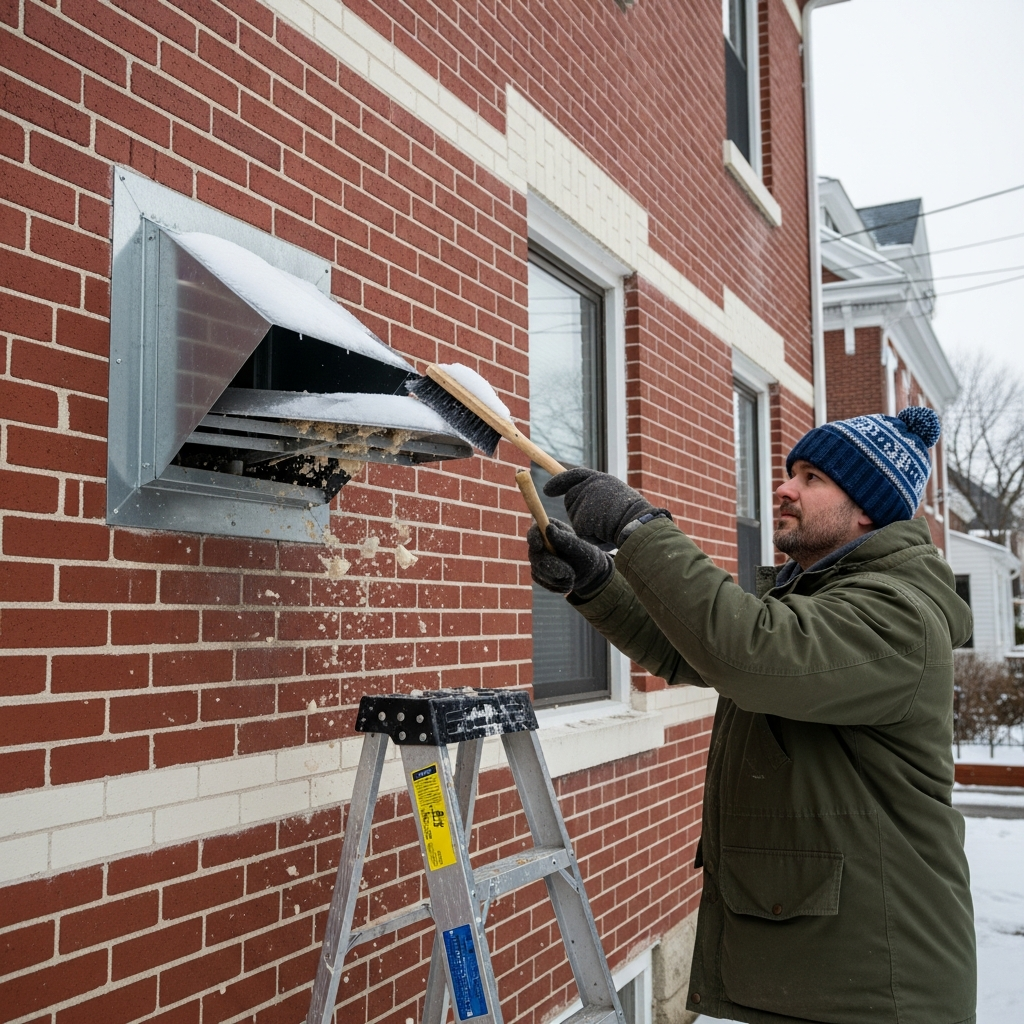
Low temperatures and wind challenge exterior terminations. Dampers can freeze shut or stick due to frost that forms when warm exhaust meets cold metal. Snow drifts and windblown debris can block ground-level hoods. Inside the duct, cooler surfaces promote condensation, and moisture plus lint creates dense mats that adhere to seams and elbows. These conditions raise internal temperatures during operation, increasing stress on the dryer and the risk associated with combustible fibers.
Recognizing seasonal cues helps you act early. If the exterior hood barely opens, if steam lingers near the termination, or if you smell a hot, dusty odor after a cycle, treat these as warnings. A quick inspection and timely service can keep small issues from becoming emergency situations in the middle of winter.
Pre-Season Checklist for Somerville Homes
Start before the first hard freeze. Inspect the exterior termination and confirm that the damper opens freely. Remove yard debris, leaves, or old lint. For rooftop caps, have a qualified pro verify that the hinge, damper, and flashing are secure. Indoors, make sure the area behind the dryer is clear so the transition hose is not crushed when the appliance is pushed back after cleaning or maintenance.
If your vent path is long or unusually complex, plan a full cleaning in late fall. Removing compacted lint before winter reduces the chance of frozen dampers and helps maintain strong airflow when cold air density is highest. In older Somerville homes with basement runs, confirm that horizontal sections slope gently toward the exterior to discourage condensation pockets.
Midwinter Monitoring
During the coldest weeks, take a moment each month to observe the exterior damper while the dryer runs. It should open decisively and remain steady. If it barely moves or flutters, airflow may be restricted. After storms, check for drifted snow or ice accumulation around the hood. If the termination is near a walkway or driveway, shovel carefully to keep openings unobstructed. For rooftop terminations, watch for signs of frost build-up or icing around the cap and consult a professional if you suspect it is not opening properly.
Indoors, notice changes in cycle times and temperatures. If the dryer or surrounding cabinetry feels unusually hot, or if the laundry room is more humid than normal after a load, airflow may be compromised. Address these signs promptly to avoid further stress on your appliance.
Vent Materials That Perform Better in the Cold
Material choices matter. Semi-rigid metal transitions maintain shape in tight spaces and are far less likely to crush than thin plastic or foil hoses. Smooth-walled metal duct reduces friction, which is valuable in colder months when outside air challenges exhaust flow. Ensure joints are secured with proper clamps and that no screws protrude into the airflow path, where they can snag lint. For exterior caps, choose designs with low-resistance dampers that open easily even in low temperatures and avoid fine mesh screens that trap lint and freeze quickly.
Insulating sections that pass through unconditioned spaces can reduce condensation. Where ducts run through cold basements, crawlspaces, or exterior walls, proper sealing and insulation help keep moisture from forming on interior surfaces and binding lint into persistent clogs.
Special Considerations for Different Home Types
Historic Somerville properties often route vents across basements with multiple elbows. These homes benefit from meticulous brushing and vacuum capture to remove dense accumulations at each bend. Newer townhouses may exhaust through roof terminations; safe access, cap inspection, and damper verification are essential. In multi-unit buildings, coordination with property management can facilitate roof access and help ensure that each unit’s run is correctly identified and serviced.
For homes with laundry closets, verify make-up air. Tight spaces without adequate intake can starve the dryer of air, which is especially problematic in winter when windows remain closed. Louvered doors or a dedicated intake path can help maintain balanced airflow.
DIY Care and When to Call a Pro
Homeowners should perform routine steps year-round: clean the lint screen after every load, vacuum around the lint trap opening, and keep the area behind the dryer clear. For short, straight ducts, a homeowner may use basic brush kits, but exercise caution near elbows, where brush heads can detach. Complex runs, long vertical sections, or rooftop terminations are best handled by trained technicians with the right tools and safety equipment.
If you experience repeated cycle shutoffs, smell hot dust, or see little movement at the exterior hood even on mild days, schedule a professional inspection. Comprehensive service restores airflow and helps identify needed improvements, such as replacing a crushed transition or simplifying elbows.
Energy and Comfort Benefits
Winter energy use is already high for heating; a struggling dryer can add to the load. Restored airflow shortens dry times, reducing wear on fabrics and lowering the time your appliance spends generating heat. Better venting also minimizes humidity after laundry, keeping the home more comfortable and reducing the chance of musty odors in enclosed spaces.
Common Winter Myths
One myth is that indoor venting kits are a convenient cold-weather alternative. Venting into living space releases moisture and lint, which can lead to humidity issues and dust accumulation. Another myth is that short ducts never clog. Even short runs can develop stubborn blockages at the termination if the damper sticks or if pets shed heavily. Finally, some believe that cleaning the lint screen is sufficient; while essential, it does not address the duct where fine fibers accumulate over time.
Creating a Winter Maintenance Calendar
Plan key checkpoints: a late-fall cleaning or inspection, monthly damper observations, and a post-storm check to confirm clear terminations. Pair these tasks with other seasonal chores—such as replacing smoke detector batteries or changing HVAC filters—so they are not overlooked during busy weeks. Keep simple notes on what you observe and when you serviced the system. This record helps you identify patterns and decide whether to adjust your maintenance interval.
What to Expect From a Winter-Focused Service
During winter, professionals pay extra attention to exterior caps and roof terminations. They confirm damper motion, remove any frozen lint mats, and check for wind-driven obstructions. Inside, they verify that the duct is free from compacted lint, that transitions are not crushed, and that joints are tight. If sections pass through cold spaces, they may recommend insulation or slight slope adjustments to discourage condensation. The goal is to maintain steady, strong airflow even when outdoor temperatures dip.
Frequently Asked Questions
How often should I clean my dryer vent in winter? Most households benefit from annual service, with additional checks during winter if you notice longer cycles, hot appliance surfaces, or weak damper movement at the exterior.
Can a damper freeze shut? Yes. Frost and ice can hold a damper closed, especially on cold, damp days. Clearing lint and ensuring low-resistance cap designs reduce the likelihood of sticking.
Is insulating the duct helpful? Insulation can reduce condensation on metal surfaces in unconditioned spaces, which helps prevent lint from adhering and forming dense mats.
Do pets make winter performance worse? Pet hair contributes to lint volume. In winter, when windows are closed and air is drier inside, lint can accumulate faster and feel more static-prone. More frequent checks may be wise.
Should I run extra cycles to keep the duct warm? No. Unnecessary cycles waste energy and can exacerbate overheating if a restriction exists. Focus on clear airflow and proper materials instead.
What if I live in a condo with a roof termination? Coordinate with building management for safe access and schedule service with a team experienced in rooftop work. Verifying cap function in cold weather is critical.
Will cleaning shorten dry times noticeably? Yes. With a clear duct and free-moving damper, exhaust air exits efficiently, and clothes dry faster—even when outside temperatures are low.
Stay Safe and Warm in Somerville
Winter can amplify small venting issues into big inconveniences. A clean, well-configured duct and a free-moving termination damper are your best defenses against long cycles and unnecessary stress on your dryer. For peace of mind as temperatures drop, arrange professional dryer vent cleaning and enter the season with strong airflow, reliable performance, and a safer home.
