Deciding how often to schedule dryer vent cleaning in Somerville, New Jersey, depends on the way your home is built, how much laundry you run, and the unique conditions of our local climate. While many households do well with a simple annual appointment, others need attention sooner due to long duct runs, roof terminations, or heavy laundry habits. The right interval protects your home, restores efficient drying, and reduces wear on your appliance. If you are noticing slower cycles, warmer laundry rooms, or weak exterior airflow, it may be time to arrange professional dryer vent cleaning and then set a maintenance rhythm that matches your usage.
Clear airflow is the foundation of safe dryer operation. Lint is a natural byproduct of drying clothing and textiles, and some of it inevitably reaches the vent. Over time, these fibers adhere to the duct walls, especially at elbows and termination points. The result is restricted exhaust, higher operating temperatures, and longer cycles. The quicker you respond to early signs and the more accurately you set your schedule, the better your dryer will perform over the long term.
Start with a baseline
If you have recently moved into a new home—or you cannot remember the last time the vent was serviced—begin with a baseline cleaning and inspection. That visit clears existing buildup and gives you a fresh starting point. Afterward, track typical cycle lengths and observe exterior airflow during a heat cycle. These observations will help you determine when performance begins to decline and when your next appointment should be.
Baselines are especially important for homes with unknown vent paths or older renovations. A clean, well-documented starting point makes it easier to troubleshoot any future issues and set a schedule tailored to your situation.
Household size and laundry habits
The number of loads you run each week is one of the strongest predictors of how quickly lint accumulates. Larger families typically produce more lint because of frequent loads and bulky items like towels and bedding. Pet hair can amplify buildup as it combines with moisture and lint, creating a clingy lining in the duct. If your household runs the dryer daily, it is wise to plan more frequent maintenance.
What you dry matters too. Heavy fabrics and bedding shed more than lightweight garments. If you often wash and dry blankets, comforters, and towels, monitor your cycle times closely and consider shorter intervals between cleanings to keep airflow unobstructed.
Vent length and configuration
Short, straight vents are easier to keep clear, while long runs with multiple elbows collect lint faster. Vertical ducts that rise to roof caps are common in Somerville and require particular attention because lint can settle at elbows or at the termination. The more complex the path, the more important it is to verify strong airflow after each cleaning and to set a maintenance schedule that reflects the duct geometry.
Older homes may have retrofitted vent paths that pass through tight chases or unconditioned spaces like attics and garages. These environments can contribute to condensation, which in turn causes lint to stick more aggressively to the duct walls. If your vent travels through such areas, consider inspections at shorter intervals.
Local climate effects
Somerville’s humid summers and chilly winters affect how lint accumulates. Humidity promotes clumping, while cold temperatures can create condensation in certain sections of the duct. These conditions can make buildup more stubborn, particularly at elbows and termination points. As seasons change, do a quick airflow check at the exterior vent while the dryer runs: the damper should open fully, and you should feel strong, steady exhaust.
Seasonal storms can also deposit debris at exterior hoods or roof caps. After severe weather, visually inspect the termination from a safe vantage point. If the flap appears stuck or partially closed, or if you see lint and debris around the hood, schedule service promptly.
Appliance signals you should not ignore
Modern dryers may display error codes related to airflow or temperature. Even without codes, you might notice clothes that are very hot yet still damp at the end of a cycle, a persistent musty or burning smell during operation, or a laundry room that feels warmer than usual. These are signs that airflow is restricted and that you should move up your next cleaning. The longer a dryer runs under strain, the more stress it places on internal components.
If your dryer stops mid-cycle or refuses to start a new load, do not assume the appliance itself is failing. Very often, the root cause is restricted exhaust. Clearing the vent first is a smart diagnostic step and may resolve the problem without additional repair.
What a professional cleaning includes
A thorough service addresses the full path from the back of the dryer to the exterior termination. Technicians disconnect the appliance carefully, protect surrounding finishes, use mechanical agitation and high-velocity airflow to remove lint, and clear obstructions at the termination. They verify that the damper opens freely under exhaust and that the transition connection is secure and not crushed when the dryer is moved back into place.
Verification is essential: after cleaning, airflow at the exterior vent should be strong and steady. This confirmation lets you reset your maintenance clock with confidence, knowing the system has been returned to optimal condition.
When to shorten the interval
Several scenarios call for more frequent service. If you have multiple pets that shed, run frequent towel and bedding loads, or notice significant lint around the exterior hood between visits, consider scheduling sooner. If your vent is long or vertical with several elbows, particularly to a roof exit, pay close attention to early warning signs and plan maintenance accordingly. Any time you replace the dryer, add a cleaning to ensure the new machine starts its life cycle with clear exhaust.
Also shorten the interval if you have had a significant remodeling project that altered the laundry area or moved the dryer. New transitions or adjusted duct paths introduce variables that are best checked and cleared early on.
When an annual plan works well
For smaller households with moderate laundry habits and a short, straight vent to a wall hood, an annual appointment typically keeps airflow strong and performance reliable. Pair this with good habits—cleaning the lint screen every cycle, occasionally rinsing it to remove residue, and keeping the area around the dryer clear—and you will likely find that your dryer runs efficiently year-round.
Even in low-use scenarios, continue to check the exterior vent during a heat cycle every now and then. Quick visual and tactile checks help you catch changes before they turn into noticeable slowdowns.
How to monitor performance between visits
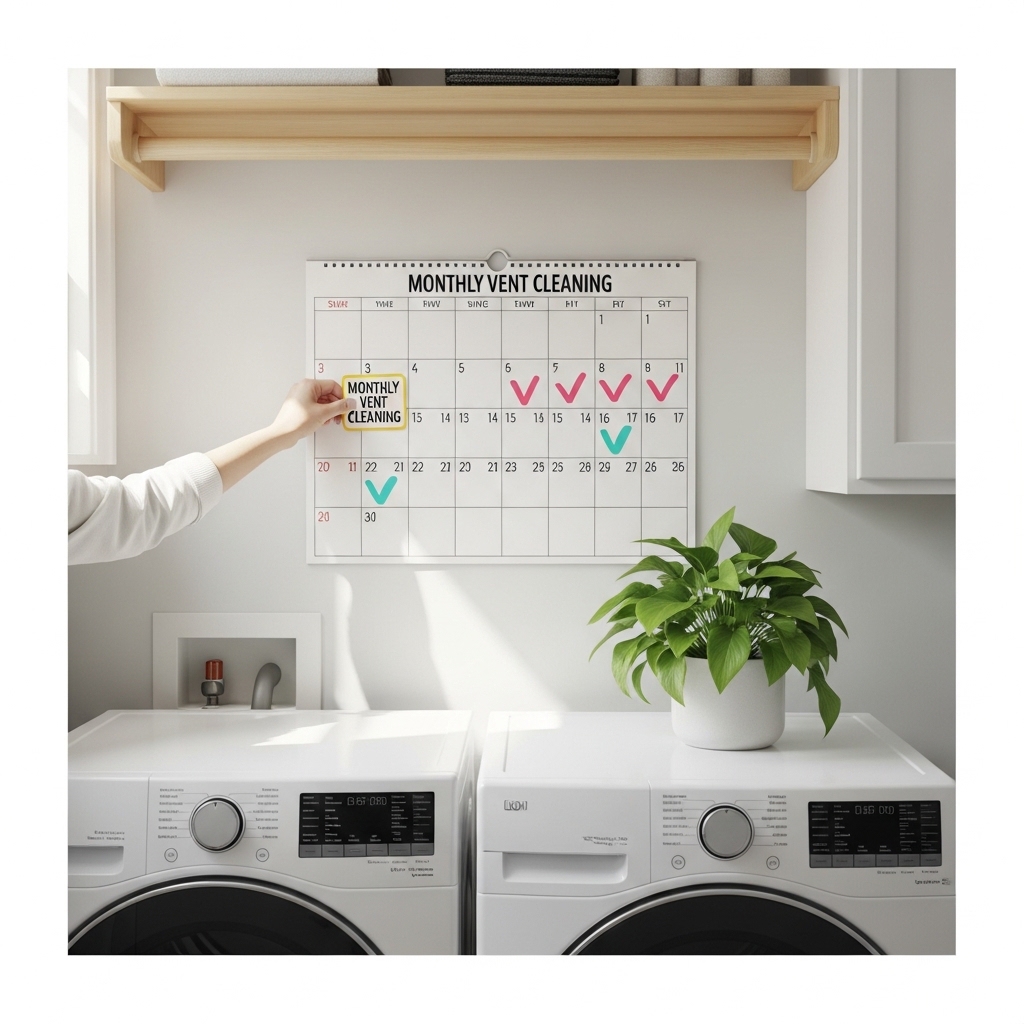
Keep a simple note of how long a standard load takes to dry. If cycle times creep upward, treat that as your earliest warning sign. Feel for strong, warm exhaust at the exterior vent and observe whether the damper opens fully. Notice any musty or burning odors or unusual warmth in the laundry room. Combine these observations to decide whether to schedule sooner than your usual interval.
Make it a habit to check the transition behind the dryer after the appliance is moved for cleaning or maintenance. Ensure it has not been crushed or kinked. A compromised transition is one of the quickest ways to undo the benefits of a thorough vent cleaning.
Midway reminder: local expertise helps
Because Somerville homes vary widely, the best schedule is the one tailored to your vent path and usage. A local specialist who regularly services area neighborhoods understands common layouts, roof terminations, and seasonal effects. If you are unsure about timing, consult with a pro and, if needed, book comprehensive dryer vent cleaning to reset your baseline and build a plan that fits your home.
Frequently asked questions
Question: What if my dryer is brand new—do I still need regular vent cleaning? Answer: Yes. A new dryer still depends on clear exhaust to perform. If the duct is restricted, even a new machine will run longer and hotter than intended.
Question: How do I know whether to schedule sooner than once a year? Answer: Watch for longer cycles, hot laundry, musty or burning odors, and weak exterior airflow. Any of these signs indicate restriction and justify moving up your next appointment.
Question: Is the lint trap enough to keep the vent clear? Answer: No. The lint trap captures a portion of fibers but cannot prevent all particles from entering the duct. Over time, buildup occurs and must be removed professionally.
Question: My vent exits through the roof. Does that change the schedule? Answer: Roof exits often warrant closer monitoring because vertical runs and elbows collect lint more readily. Many households with roof terminations choose slightly shorter intervals.
Question: Should I attempt to clean a long or complex vent myself? Answer: Long runs with multiple elbows, especially to roof caps, are best handled by trained technicians with the right equipment. DIY attempts can push lint deeper or leave obstructions behind.
Set your schedule with confidence
Take a few minutes today to observe exterior airflow during a cycle, clean the lint screen, and note typical drying times. If performance has slipped—or if you simply want the certainty that comes with a freshly cleared system—schedule professional dryer vent cleaning. With a tailored maintenance interval based on your home and habits, you will protect your investment, improve efficiency, and keep your laundry routine running smoothly in every season.
