Homeowners in Somerville often wonder what goes into the overall value of a professional dryer vent cleaning appointment and how to make a confident decision without guesswork. While the title of this guide references the monetary side of the project, the most useful approach is to understand the many factors that shape the scope of work, the time required, and the quality of results. When you grasp those inputs, it becomes easier to plan maintenance, compare providers, and choose a service that protects your home, your appliance, and your peace of mind. If you are beginning to research options, one of the most effective steps is to consider trusted professionals who specialize in comprehensive dryer vent cleaning for the Somerville community.
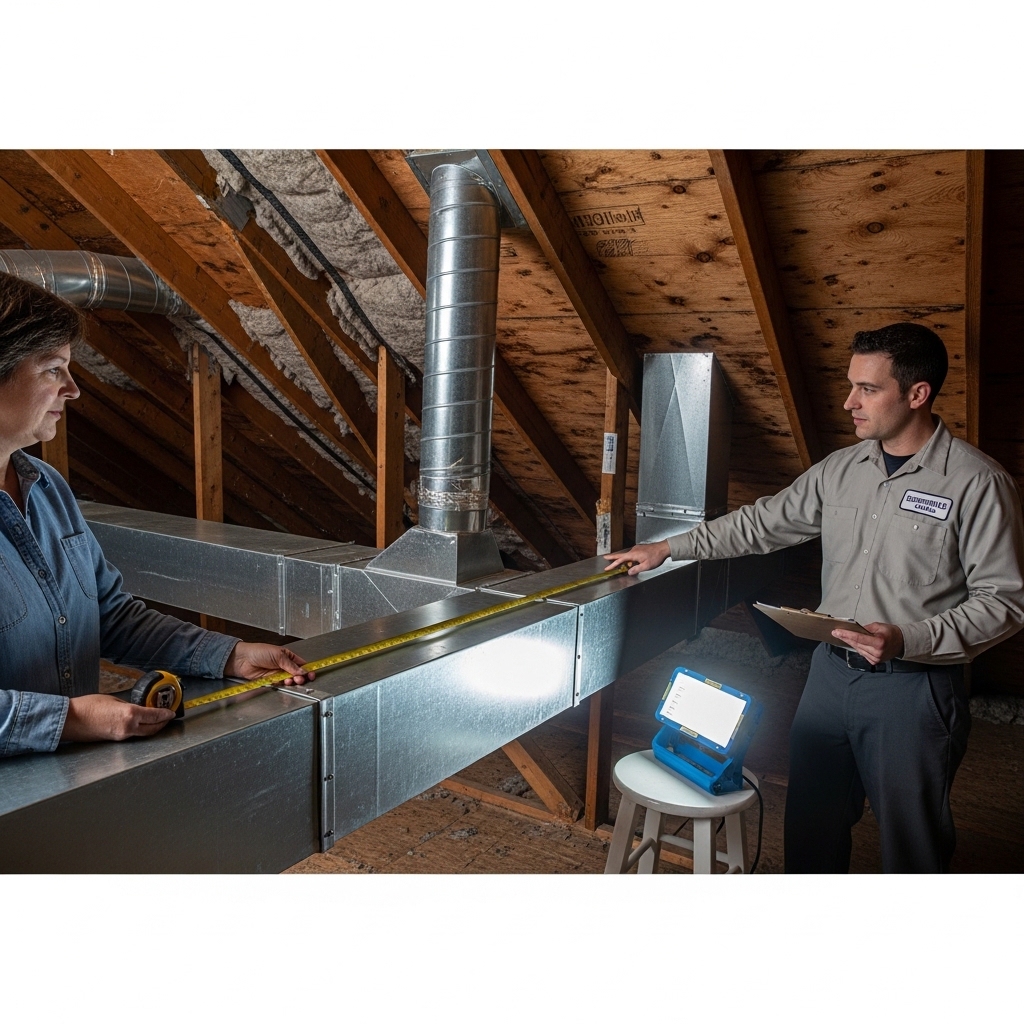
Dryer vent cleaning is not a one-size-fits-all task. The layout of your home, the length of the duct, the number of elbows, the location of the termination point, and the condition of the transition hose all influence the level of effort. In some homes, the vent is a short, straight run from the dryer to an exterior wall. In others, it travels up through a wall cavity, across an attic, and out through a roof cap—introducing bends and elevation changes that add resistance. A careful evaluation at the start of the appointment is essential to performing a complete, thorough job.
Scope of work: what a thorough job includes
At minimum, a comprehensive cleaning covers the entire path from the back of your dryer to the exterior termination, using mechanical agitation and high-velocity airflow to remove lint. It also includes inspecting the transition connection for kinks or crushing, verifying the damper at the hood or roof cap moves freely, and testing airflow after reassembly. The technician should protect floors, prevent lint from spreading, and ensure the dryer is leveled and placed to avoid re-kinking the transition when pushed back into position.
Additional steps may be needed based on your setup. For example, if the vent exit is on the roof, safe access and rooftop work are part of the job. If the termination hood is obstructed by nesting material, that must be cleared. Some homes need transition upgrades to a more robust, code-compliant connection. Each of these components influences the labor and detail required for a successful visit.
Home configuration factors
Somerville’s housing mix includes classic colonials, historic properties with unique retrofits, and newer houses with second-floor laundry rooms. Vertical vents with multiple elbows take more time to clean thoroughly and must be tested carefully to confirm strong airflow. Older homes may have tight chases or outdated materials that require delicate handling and sometimes targeted improvements, such as replacing a worn transition.
Accessibility is another consideration. If the dryer is stacked or enclosed in cabinetry, technicians may need to maneuver carefully to reach the connection and remove the appliance without damaging walls or flooring. Clear communication about access ahead of time helps ensure the appointment goes smoothly and that the team brings any specialized tools or ladders required.
Laundry habits and usage
How often you run the dryer and what you dry directly affect how much lint accumulates over time. Households that wash large loads of towels and bedding or have multiple family members tend to create more lint and may require cleaning at shorter intervals. Pet hair intensifies buildup, especially when it combines with humidity or residues from dryer sheets, creating a tacky lining that adheres to the duct walls. Understanding your usage pattern helps set expectations for the duration and complexity of each visit.
Seasonality also plays a role. Humid summers and chilly winters contribute to condensation and clumping, especially in ducts that run through unconditioned spaces like attics and garages. Those conditions can make stubborn pockets of lint more likely at elbows and low spots, which take extra effort to clear fully.
Indicators that expand the project
During a pre-service assessment, a technician may find warning signs that call for additional attention. Examples include backdrafting dampers that stick or fail to open fully, poorly supported sections of duct that sag, or a termination hood that is partially blocked by lint or nesting material. Each issue requires specific steps to address, all of which contribute to the time on site.
Appliance-related clues also matter. If your dryer shows airflow or overheating error codes, cuts off mid-cycle, or leaves clothes excessively hot yet still damp, the problem may be a severe restriction. In such cases, a more meticulous process is needed, with repeated agitation and airflow verification to ensure the blockage is fully removed.
Quality of workmanship and equipment
The tools used for agitation, the power and filtration of vacuums, and the safety measures taken during rooftop or attic work are major differentiators among providers. High-quality equipment shortens the time needed while improving outcomes, but it also reflects a commitment to doing the job correctly. Equally important is the technician’s approach: methodical cleaning from the appliance to the termination, careful protection of finishes, and detailed testing of airflow before and after service.
Strong communication is part of quality. You should know what steps will be performed, be informed of findings during the appointment, and receive straightforward guidance about maintenance and any recommended improvements. Openness and documentation are signals that the provider prioritizes your long-term safety and satisfaction.
Choosing a provider in Somerville
Local experience is invaluable. A company that regularly works in Somerville is familiar with common vent configurations, typical access challenges in older homes, and best practices for roof exits common to multi-level houses and townhomes. A nearby team can also respond quickly if you have follow-up questions or need further assistance, and they rely on word-of-mouth within the community, which encourages consistent, high-quality service.
Ask about the steps included in a standard appointment, the tools used, and whether the technician will test airflow at the end. Clarify how they handle stacked units or tight enclosures, and how they protect surrounding surfaces. Finally, confirm whether they will verify the damper function at the termination and address obstructions, since even a well-cleaned duct will underperform if the hood cannot open freely.
What you can do before the appointment
Clear a walkway to the laundry area and remove items stored on top of or around the dryer. If your dryer is stacked or enclosed, let the provider know before the day of service so they can plan for safe access. Make note of any error codes you have seen, as well as symptoms like long cycles, hot laundry, or a stubborn exterior flap, and share those observations with the technician. These details help focus the visit where it will make the biggest difference.
It is also helpful to run the dryer briefly and observe the exterior vent. A strong, steady flow of warm air and a fully opening damper are good signs. Weak airflow or lint accumulation outside are indicators that the vent needs attention.
Understanding value without fixating on numbers
Instead of hunting for a single universal figure, evaluate the thoroughness of the process, the clarity of communication, and the reputation of the provider. A methodical cleaning that fully restores airflow, identifies small problems before they become big ones, and leaves your system safer delivers the best long-term outcome. It protects your appliance from avoidable heat stress, helps clothes dry efficiently, and minimizes risk.
In other words, the real value comes from the combination of safety, performance, and durability improvements you gain from a well-executed service. Those benefits compound over time as you avoid repeat issues and keep your dryer running as the manufacturer intended.
How frequently to schedule maintenance
Annual service is a reliable benchmark for many single-family homes. If you have a large household, run the dryer daily, or routinely wash bulky items like comforters, you may benefit from shorter intervals. Vertical vents and long runs also tend to need attention more often. Monitor your drying times and exterior airflow to fine-tune your schedule—noticeable slowdowns are a sign that lint is accumulating again.
After a baseline appointment, keep notes on how the dryer performs and how long cycles take. If you make changes—like switching to hypoallergenic detergents or different laundry products—observe whether lint capture in the filter changes. Simple tracking helps you detect trends early and plan maintenance proactively.
Common misconceptions about value
One misconception is that cleaning just the first few feet of duct is enough. In reality, lint collects throughout the entire run, especially at elbows and the termination. Another is that if the lint trap is clean, the vent must be fine. The lint trap captures a portion of fibers but cannot prevent particles from traveling into the duct. Finally, some assume that exterior airflow that feels warm automatically means the vent is clear. While warmth is expected, the key is strength and steadiness; weak flow often signals blockage deeper in the line.
Quality service also includes verifying the transition connection and ensuring the dryer is positioned to avoid re-kinking the hose. Skipping these steps can undo the benefits of the cleaning as soon as the dryer is pushed back into place.
Midpoint reminder: prioritize thoroughness
If you are comparing options in Somerville and want a dependable result, focus on providers who emphasize a complete process from the appliance to the termination and who clearly communicate their methods. Booking professional dryer vent cleaning with a trusted local team ensures that the unique attributes of your home—vent length, bends, access, and termination type—are addressed with the right tools and techniques.
Frequently asked questions
Question: How long does a professional visit typically take? Answer: The duration depends on vent length, number of elbows, access, and whether the termination is on a wall or roof. Even with those variables, most appointments are completed the same day, including testing and reassembly.
Question: Will I need to move my dryer? Answer: The technician will handle moving the dryer as needed and will protect surrounding surfaces. If space is tight or the unit is stacked, let the provider know beforehand so they can plan accordingly.
Question: Can I avoid future buildup by cleaning the lint trap more often? Answer: Cleaning the lint trap after every load is essential, but it does not eliminate lint accumulation in the vent. Routine professional service is still necessary to maintain safe, efficient airflow.
Question: What if my dryer vents through the roof? Answer: Roof terminations are common in multi-story homes. Trained technicians bring the appropriate safety equipment, clear the cap thoroughly, verify damper movement, and test airflow after reassembly.
Question: Are there signs I should schedule sooner than planned? Answer: Yes—slower drying, hot laundry or a warm laundry room, musty or burning odors, and weak exterior airflow all indicate that lint restriction is building and should be addressed promptly.
Take the next step with confidence
If you have noticed longer cycles or a stubborn exterior flap, it is a good moment to act. By choosing a team that prioritizes careful inspection, complete cleaning, and clear communication, you safeguard your home and get the most from your appliance. Schedule professional dryer vent cleaning in Somerville today and enjoy safer, smoother laundry days ahead.
