
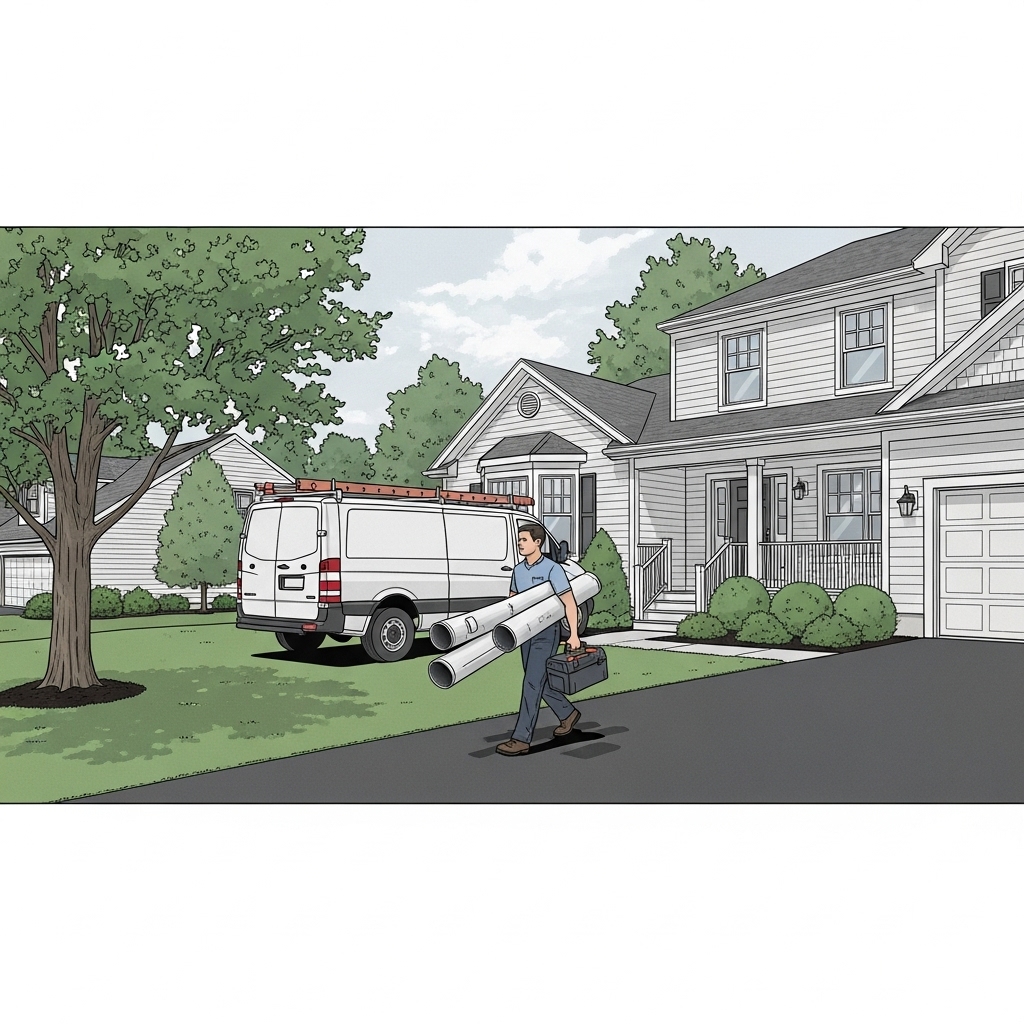
Finding Air Duct Installation Near You in Somerville, New Jersey
Searching for a trusted local team for ductwork can feel overwhelming at first. “Near me” results promise quick help, but proximity alone doesn’t guarantee a quiet, balanced, and efficient system. This guide explains how to evaluate nearby experts, what to expect from the installation process, and how Somerville’s housing styles and climate shape design decisions. As you explore options for air duct installation near you, use these insights to choose a provider who understands local homes and delivers lasting performance.
Somerville sits in a four-season climate, with muggy summer days and cold winter nights. A well-designed duct system should keep upstairs and downstairs aligned, quiet bedrooms comfortable, and basements usable year-round. Local knowledge—of framing quirks, attic access, and common return issues—goes a long way toward getting the design right from the start.
Why “Near Me” Matters—And What Else Matters More
Local providers offer faster site visits and easier scheduling. They know typical layouts in the area and can anticipate common obstacles. But the qualities that truly predict great outcomes include design rigor, material expertise, clear communication, and thorough commissioning. A nearby team with excellent process beats a closer option that cuts corners on sealing, insulation, or balancing.
How to Evaluate Local Providers
- Design approach: Ask how they size ducts and returns, what methods they use, and how they verify performance at the end.
- Scope clarity: Expect a detailed scope that lists materials, insulation levels, sealing methods, register locations, and testing steps.
- Craftsmanship: Look for smooth transitions, proper supports, sealed joints, and tidy work areas.
- Communication: Choose a team that explains options clearly and documents any changes during the project.
- Local experience: Providers who regularly work in Somerville understand typical framing, access, and code expectations.
What to Expect From the Process
- Assessment: A site visit documents room sizes, ceiling heights, and potential routes through attics or basements.
- Design: Load calculations and duct sizing translate comfort goals into a practical layout of trunks, branches, and returns.
- Permits: Your contractor coordinates permits and inspections, keeping the project compliant and on schedule.
- Installation: Trunks and branches are installed with minimal bends, proper supports, and sealed seams. Registers and grilles follow.
- Insulation and sealing: Ducts in unconditioned spaces are insulated and sealed to preserve delivered temperature.
- Commissioning: Airflow is measured, static pressure is verified, and balancing dampers are adjusted to fine-tune performance.
Somerville Home Types and Routing Ideas
Historic homes often have narrow basements and unique framing. Creative routing may include oval ducts or discrete soffits in utility areas. Townhomes share party walls that guide route choices and require careful coordination. Newer homes can benefit from upgraded return sizing for quiet operation and better summer comfort upstairs.
Key Design Choices That Affect Comfort
Return air capacity sets the stage for quiet airflow and even temperatures. Supply placement counters drafts near large windows and encourages good mixing. Variable-speed fans can reduce perceived noise and improve balance during shoulder seasons. Good diffuser selection prevents drafts on seating and supports uniform comfort.
Indoor Air Quality Considerations
Filter upgrades are popular, but they must be sized for area to avoid excessive static pressure. Place filter racks for easy access so maintenance is simple. If summer humidity is a recurring issue, consider integrating dehumidification solutions that complement the duct system without adding noise.
Preparing Your Home for a Smooth Installation
- Clear paths to attics, basements, and mechanical spaces.
- Confirm register styles and finishes before ordering.
- Discuss scheduling windows that fit your routine.
- Identify sensitive areas needing extra protection.
- Agree on how unexpected discoveries will be handled.
Balancing and Commissioning
The final tuning step makes the difference between okay and outstanding. Measuring airflow at key registers, verifying static pressure, and adjusting dampers produce even comfort. A brief walkthrough teaches you how to make minor seasonal adjustments and when to replace filters.
Common Pitfalls to Avoid
- Undersized returns that cause noise and restrict airflow.
- Long or sharply bent flexible runs that add friction.
- Insufficient sealing and insulation in unconditioned spaces.
- Skipping documentation of balancing settings and damper locations.
When to Consider Zoning
Multi-level homes, spaces with large south-facing windows, or layouts with long hallways often benefit from zoning. Separate zones allow upstairs and downstairs to track temperatures independently, reducing the need for overcooling or overheating one level to satisfy the other.
Working With a Nearby Team
Proximity helps with quick site visits and responsive scheduling. A nearby contractor can also return promptly for any post-installation adjustments. If a mid-project decision arises—like choosing between two trunk routes—a quick check-in with a Somerville specialist in air duct installation can verify that the choice supports airflow, access, and aesthetics.
Future-Proofing Your System
Plan for life changes and renovations. Accessible dampers, clear labeling, and thoughtful placement of trunks keep future modifications straightforward. If you anticipate finishing a basement or converting an attic, ask how the design can accommodate those plans later.
Noise Reduction Strategies
Noise issues often trace back to high static pressure or turbulent transitions. Generous returns, smooth fittings, lined boots, and variable-speed fans work together to keep the system quiet. In bedrooms, register placement and diffuser style matter; avoid direct airflow on beds or desks.
Maintenance Essentials
Routine filter changes and periodic visual checks of accessible runs help preserve performance. Keep registers clean and free from obstructions. If room comfort drifts after a season, a light balancing adjustment may be all that’s needed.
Frequently Asked Questions
Q: How long will installation take? A: It depends on layout complexity and access. Straightforward projects can move quickly; complex retrofits with framing or soffits will take longer.
Q: Will new ducts fix hot and cold spots? A: A thoughtful design with proper return capacity and strategic supply placement addresses most comfort issues. Final balancing fine-tunes delivery where needed.
Q: Are flexible ducts acceptable? A: Yes, when kept short, taut, and well supported. Many high-performing systems use a mix of materials effectively.
Q: How do I keep the system quiet? A: Ensure adequate return area, smooth transitions, lined boots in sensitive rooms, and consider variable-speed fans. Proper diffuser selection also helps.
Q: Do I need zoning? A: Multi-level or complex layouts often benefit from separate zones to keep levels aligned. Your contractor can advise based on your home’s specifics.
Bring Local Comfort Home
Finding the right nearby provider means pairing local responsiveness with rigorous design and careful commissioning. When you choose a team that gets both right, you enjoy steady comfort, clean air, and quiet operation all year long. If you are ready to explore a tailored plan, reach out to Somerville experts for air duct installation and start your project with confidence.
