
Practical Air Duct Installation Tips for Somerville, New Jersey Homes
A successful duct installation is built on a mix of smart design, careful craftsmanship, and clear communication. Whether you are renovating a classic Somerville home or optimizing a newer build, the right choices from day one lead to quieter rooms, even temperatures, and healthier air. If you are planning or scheduling air duct installation, use these practical tips to guide decisions, avoid common pitfalls, and keep your project organized from start to finish.
Somerville’s climate demands a system that performs through humid summers and cold winters. That means airtight ducts, proper insulation in unconditioned spaces, and balanced return air to keep pressures healthy. The tips below highlight the details that add up to a comfortable, resilient system.
Tip 1: Prioritize Return Air
Returns are the unsung heroes of a quiet, efficient system. Without enough return area, fans work harder, noise increases, and rooms feel stuffy—especially with bedroom doors closed. Plan dedicated returns for major zones and confirm that grilles and pathways are sized generously to keep static pressure in check.
Tip 2: Keep Runs Short and Straight
Air prefers smooth, direct paths. Design trunk and branch routes that minimize sharp bends and long runs. Where flexible duct is used, pull it taut, support it frequently, and use gentle curves. In tight Somerville attics or basements, consider oval ducts or paired branches to maintain cross-sectional area when height is limited.
Tip 3: Seal Every Joint
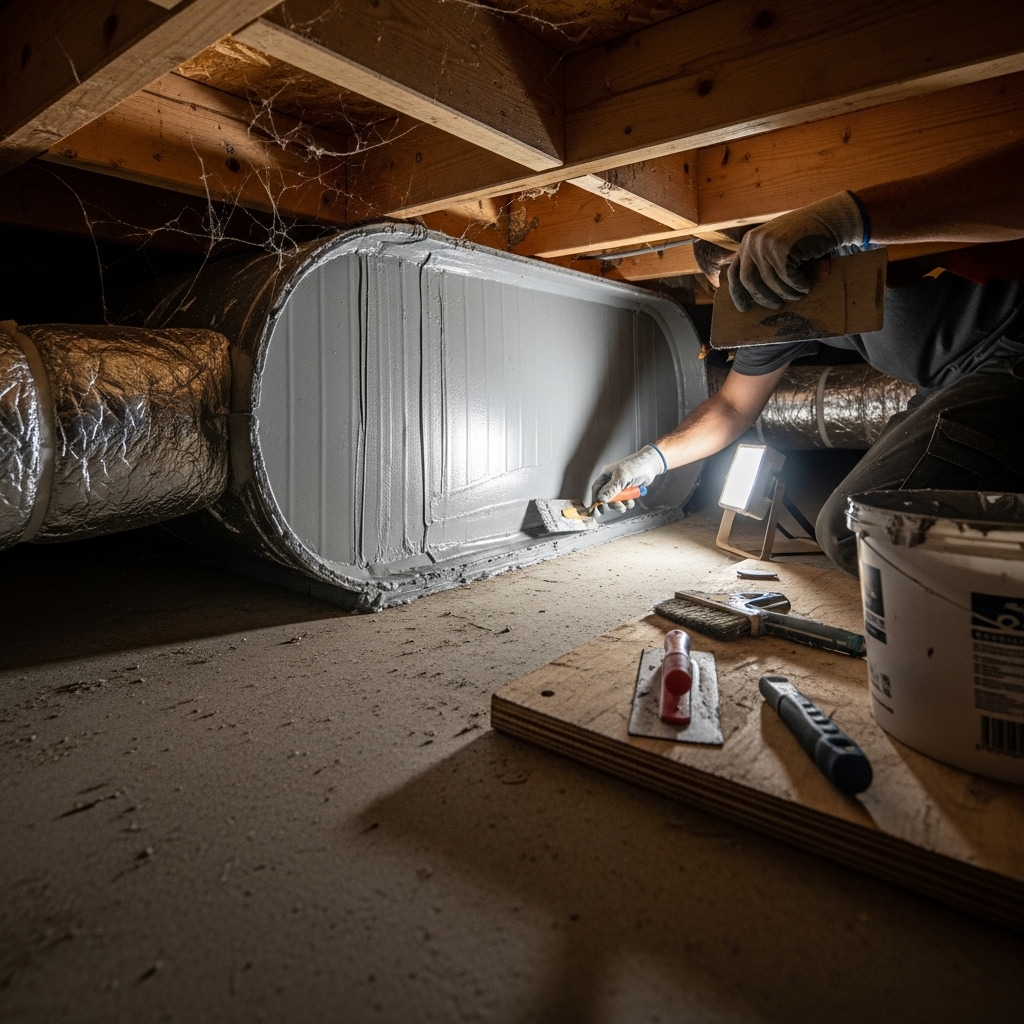
Sealing with mastic or approved sealants at every joint and seam protects comfort and indoor air quality by keeping conditioned air inside the ducts. Even small leaks add up, especially in attics or crawlspaces. After sealing, insulate ducts in unconditioned areas to preserve delivered temperature and reduce condensation risk during humid months.
Tip 4: Place Supplies Strategically
Rooms with large windows, exterior walls, or unique shapes need targeted supply placement. Aim airflow to counteract drafts in winter and to mix efficiently in summer. Avoid blowing directly onto seating areas; use diffusers that spread air evenly to prevent hot or cold spots.
Tip 5: Design for Quiet
Quiet operation comes from generous return area, smooth transitions, lined boots in sensitive rooms, and flexible connectors near the air handler. Variable-speed fans can reduce perceived noise by easing airflow rather than cycling at full speed, which is helpful for home offices and bedrooms.
Tip 6: Coordinate With Renovations
If your installation is part of a larger renovation, coordinate trunk routes and register locations before rough framing. Early planning prevents conflicts with electrical and plumbing and reduces the chance of last-minute soffits in visible areas.
Tip 7: Choose Materials Wisely
Use sheet metal for trunks where durability and serviceability are priorities, and flexible duct for short, well-supported branches. Duct board can be considered in specific scenarios for its acoustic and thermal properties. Focus on performance: minimal bends, smooth transitions, proper supports, and clean terminations at registers.
Tip 8: Think Ahead About Filter Access
Filters only help if they are easy to change. Place filter racks at accessible heights and locations. If you plan to upgrade filtration, ensure sufficient surface area so that higher ratings do not overload the fan or increase noise.
Tip 9: Plan for Somerville’s Seasons
Design with the hottest August afternoons and the coldest January mornings in mind. Zoning can help manage upstairs/downstairs differences, while strategic return placement maintains balance as doors open and close. Insulation and sealing are essential for ducts outside the conditioned envelope.
Tip 10: Document and Label
Ask your installer to label major trunks, branches, and dampers, and to note balancing adjustments during commissioning. Simple diagrams and notes make seasonal tweaks easier and streamline future service or renovations.
Tip 11: Manage Moisture Risks
In humid months, uninsulated or poorly sealed ducts can sweat, risking moisture damage. Insulate appropriately, maintain sufficient support to avoid sags, and ensure vapor control strategies match the location—especially in attics and crawlspaces.
Tip 12: Use the Right Diffuser for Each Room
Different rooms benefit from different diffuser styles. Long-throw diffusers can handle larger spaces or high ceilings, while multi-directional registers help distribute air in smaller rooms. Make diffuser choices early so trim and finishes can be coordinated.
Tip 13: Balance the System
Balancing is not optional. Final measurements and damper adjustments bring the design to life. Insist on a commissioning process that verifies airflow and static pressure and that records final settings for future reference.
Tip 14: Protect Aesthetics
In older Somerville homes, respect for architecture matters. Use existing chases where possible, place soffits in secondary spaces, and confirm register locations with an eye toward symmetry and visual harmony. When repairs to plaster or trim are needed, coordinate with finish trades for seamless results.
Tip 15: Keep Serviceability in Mind
Ensure there is space to access filters, dampers, and key transitions. An installation that looks tidy but hides critical components behind immovable obstacles will complicate future maintenance. Service access saves time and protects long-term performance.
Working With Your Contractor
Share your priorities—quiet bedrooms, a comfortable home office, improved air quality—and ask for a plan that explicitly addresses them. Confirm proposed routes, register styles, and insulation details before rough-in. Ask how discoveries (like hidden framing or unexpected obstacles) will be handled and documented during the project.
Somerville-Specific Routing Ideas
Basements often serve as the main hub for trunks. When headroom is tight, consider oval ducts or soffits along utility areas. Attic runs should be carefully insulated and supported, with attention to vapor management. In townhomes, party walls and shared framing require careful planning to maintain isolation and meet code requirements.
Common Mistakes to Avoid
- Undersized returns that cause noise and weak airflow.
- Overlong flexible runs with tight bends.
- Insufficient sealing and insulation in unconditioned spaces.
- Poor diffuser choice or placement that creates drafts or dead zones.
- Skipping final balancing and documentation.
Preparation Checklist for Homeowners
- Clear pathways to attics, basements, and mechanical areas.
- Confirm register locations and finishes before ordering grilles.
- Discuss daily schedules to plan quiet hours or access windows.
- Protect valuables and identify sensitive areas for extra care.
- Agree on how changes will be approved and recorded.
Maintenance Tips After Installation
Change filters on schedule, inspect visible runs for signs of sagging or damage, and keep registers free of dust and obstructions. Seasonal check-ins help ensure that the system continues to meet your comfort goals and that balancing remains consistent after temperature extremes.
Frequently Asked Questions
Q: How can I reduce noise from my ducts? A: Ensure generous return area, smooth transitions, lined boots in sensitive rooms, and appropriate diffuser selection. Variable-speed fans also help by easing airflow.
Q: Do I need insulation on all ducts? A: Ducts in unconditioned spaces should be insulated to protect delivered temperature and reduce condensation risk. Inside conditioned spaces, insulation needs are project-specific.
Q: Are flexible ducts a problem? A: Not when used correctly. Keep them short, taut, and well supported, and avoid sharp bends. Many high-performing systems use a mix of materials successfully.
Q: How do I plan for filtration upgrades? A: Choose filter racks with adequate surface area and easy access. Discuss target ratings with your installer so airflow remains strong.
Q: What does commissioning include? A: Measuring static pressure and airflow, adjusting balancing dampers, and verifying that registers deliver expected comfort. Documentation provides a helpful baseline for the future.
Bring Comfort and Quiet to Your Somerville Home
With careful planning and attention to the details that matter, you can enjoy even temperatures, quiet rooms, and clean, healthy air. If you are ready to translate tips into a tailored plan, reach out to local professionals for air duct installation and move forward with confidence in every season.
