A clean, efficient exhaust system protects every part of a Somerville, New Jersey kitchen, from the cooking line to the rooftop. To achieve consistent results, it helps to understand the full kitchen exhaust hood cleaning process—what happens, why it matters, and how you can prepare your team. Whether you oversee a restaurant, a hotel kitchen, a school cafeteria, or a healthcare foodservice program, routine kitchen exhaust hood cleaning supports fire safety, air quality, and equipment longevity. The following step-by-step overview demystifies the work and shows what to expect from a professional service visit.
Pre-Visit Planning and Coordination
Good outcomes start with planning. Providers confirm hood types, fan locations, access constraints, and preferred scheduling windows to minimize disruption. If your line is heavily used in the evening, after-hours appointments are ideal. Photos of existing conditions help ensure proper access panels, ladders, or roof permissions are available. For multi-tenant buildings in Somerville, notify facility managers and security so technicians can move equipment and stage containment safely.
Step-by-Step Cleaning Workflow
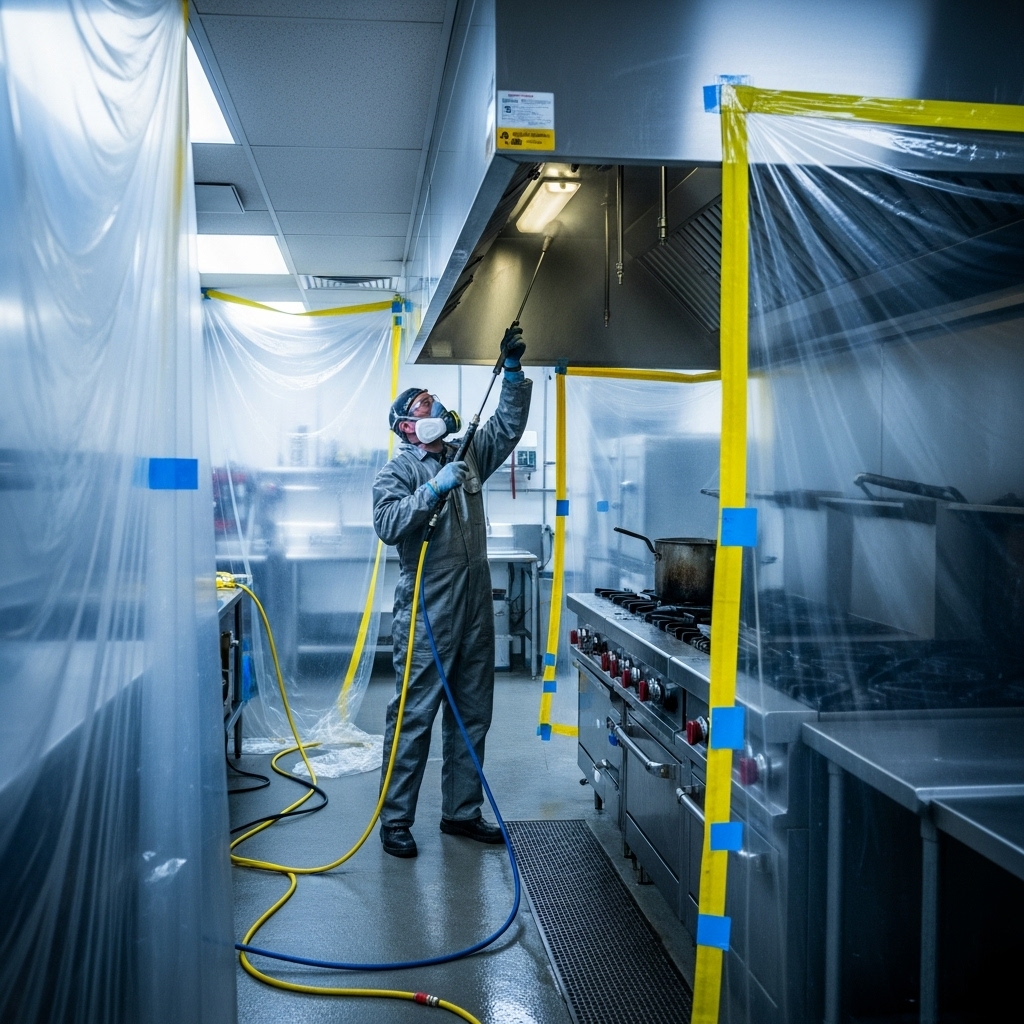
- Site Protection and Containment: Technicians cover appliances, prep tables, and floors with plastic sheeting and drip pans. This keeps degreaser runoff and rinsate confined, preventing damage and speeding cleanup.
- Filter Removal and Degreasing: Baffle filters are removed and soaked in heated solutions or placed in a soak tank. Properly cleaned filters restore airflow and reduce the load on ducts.
- Mechanical Scraping: Heavy deposits in the hood plenum and accessible ducts are scraped before applying chemicals. Scraping removes the thickest layers so degreasers can penetrate remaining film.
- Degreaser Application: Food-safe degreasers are sprayed onto surfaces, allowed to dwell, and agitated to break down oils. Attention is paid to seams, corners, and transitions where grease hides.
- Hot-Water Rinse: Pressurized hot-water rinsing flushes dissolved residues into containment. This step reveals missed spots and prepares surfaces for final detailing.
- Duct Access and Elbows: Using access panels, crews reach elbows and horizontal runs that accumulate grease more quickly. Photos document conditions before and after.
- Fan Assembly Cleaning: Upblast fans are safely disassembled as needed to clean housings, blades, and shafts. Belts are inspected for wear and proper tension, and rooftop containment is cleaned.
- Polishing and Reassembly: Visible stainless surfaces are polished for a professional finish, then filters and fan components are reinstalled. The work area is dried and floors are cleaned.
- Verification and Documentation: Technicians perform a final inspection, take photos, and note any repairs or parts that may need attention soon. A detailed report supports compliance and future planning.
Why Each Step Matters
Containment protects your facility and avoids slippery floors, while filter restoration keeps airflow where it belongs—over the cooking surface. Mechanical scraping shortens chemical exposure times, reducing the risk of damage and speeding rinsing. Accessing elbows and horizontal runs ensures hidden hazards are addressed rather than left to fuel a future flare-up. Fan cleaning restores balance, reduces vibration, and protects motor life. Documentation provides transparency and a roadmap for maintenance decisions.
Preparing Your Kitchen Team
- Clear smallwares and food from the line and surrounding prep zones.
- Inform staff about restricted access during service and wet floor risks afterward.
- Ensure roof access is available and keys or codes are ready.
- Plan for filter rotation or a quick hygienic soak between professional visits.
- Assign a manager to review the post-service report and photos.
Mid-Process Quality Checks
Skilled crews continuously evaluate progress. After scraping, they reassess to find residual layers. During rinsing, they verify runoff containment and watch for leaks around access panels. At the fan, they confirm blade cleanliness, shaft condition, and belt alignment. These checks catch small issues before they become callbacks, saving time for both the provider and your staff.
Special Considerations in Somerville Buildings
Older properties may have long duct runs or unusual routings that require additional access. Mixed-use buildings often place tenants near one another, underscoring the importance of odor and noise control during cleaning. Providers schedule carefully, manage water use responsibly, and protect nearby surfaces on rooftops. If your site has multiple hoods, discuss a phased plan—one line at a time—to maintain some kitchen capacity during service windows.
Measuring Success After Cleaning
- Improved airflow and stronger capture at the hood face.
- Reduced smoke spill and odor migration into dining areas or hallways.
- Quieter, better-balanced fan operation with fewer vibrations.
- Cleaner, safer rooftop areas with contained grease.
- Clear photo documentation and notes for the next maintenance cycle.
Integrating Professional Service into Your Maintenance Calendar
A single cleaning restores performance, but consistency delivers long-term safety. Align service with your volume patterns and menu changes. If a new fryer station increases vapor output, shorten the interval and monitor filters weekly. In this way, Somerville operators keep control of risks and maintain a predictable environment for staff and guests. Mid-cycle communication with your provider about observed changes—like a louder fan or faster filter discoloration—helps tailor the next visit.
The Value of Collaboration
Providers bring tools, access knowledge, and experience, while your team offers insight into line routines and peak periods. Together, you can develop checklists and role assignments that keep daily care on track. Place filter care on the closing checklist, train staff to recognize fan belt issues, and record surface wipe-downs. By maintaining momentum between visits, you reduce the severity of deposits and shorten future service windows. This collaborative approach to professional hood cleaning yields the most reliable results.
Frequently Asked Questions
Q: How long does a typical cleaning take? A: Time varies by hood count, duct length, and accumulation. Many single-hood restaurants can be completed overnight, while larger facilities may need additional hours.
Q: Will my kitchen be ready to use afterward? A: Yes. Technicians dry and reassemble equipment, remove containment, and perform a readiness check so you can prep for the next shift.
Q: Do I need to shut off gas or power? A: Providers isolate power to relevant fans and may request that cooking appliances are cool and shut down. Your team should plan prep accordingly.
Q: Can I see what was cleaned? A: You should receive photos of ducts, elbows, and fans along with notes on any recommended repairs or parts replacement.
Q: What if my building lacks access panels? A: Your provider can recommend installation points to reach critical areas safely and meet best practices.
Move Forward with Confidence
When you understand the process, scheduling becomes straightforward and efficient. Keep your kitchen safer, cleaner, and inspection-ready by arranging dependable kitchen exhaust hood cleaning services that fit your Somerville operation’s schedule and workflow.
