Safety in commercial kitchens begins with controlling grease-laden vapors at the source, and the standards that shape how you do that are rooted in a nationally recognized benchmark: NFPA 96. In Somerville, New Jersey, building and fire officials reference this standard to evaluate whether your kitchen exhaust system is installed, maintained, and cleaned in a way that reduces fire risk. Understanding the core concepts of NFPA 96—and aligning your procedures with them—helps protect staff, guests, property, and your ability to operate without interruption. A disciplined plan for professional kitchen exhaust hood cleaning is central to meeting both the spirit and the letter of the code.
NFPA 96 addresses the full lifecycle of commercial kitchen ventilation, from design and installation to inspection, cleaning, and maintenance. While local authorities have the final say on enforcement details, the standard provides a shared language for owners, facility managers, contractors, and inspectors. If you manage any facility in Somerville—restaurant, hotel, school, healthcare, or corporate kitchen—this framework is your roadmap to safer operations.
Key Elements of NFPA 96
NFPA 96 outlines how kitchen exhaust systems should be built and maintained to minimize fire risk and ensure proper performance. Highlights include:
- Design and Construction: Ducts should be constructed of appropriate materials and routed to limit grease accumulation and allow access for cleaning.
- Access for Cleaning: Access panels must be installed at regular intervals and at changes in direction to allow complete cleaning of interior surfaces.
- Clearances: Required clearances to combustibles help prevent heat transfer that could ignite surrounding materials.
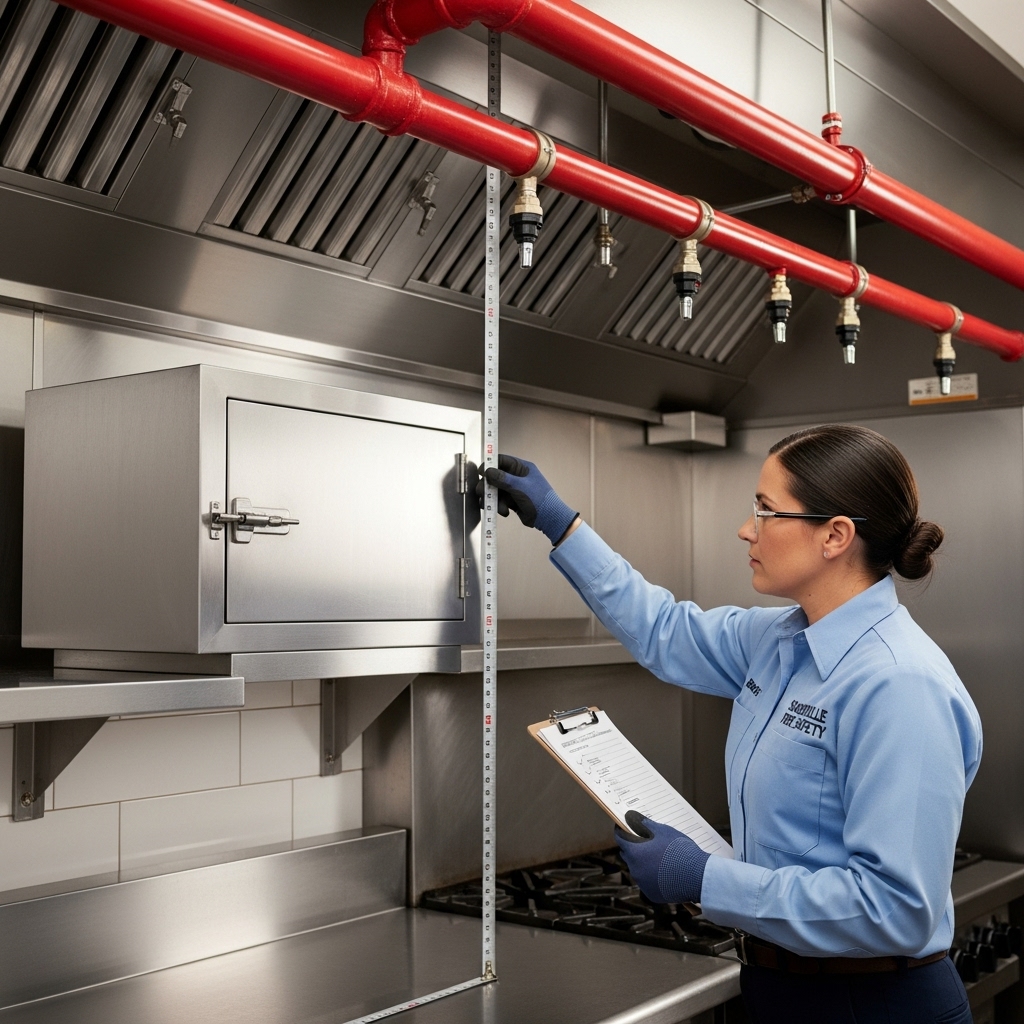
- Fire Suppression Integration: Hoods are paired with fire suppression systems that must remain protected and functional throughout cleaning.
- Inspection and Cleaning Frequency: Systems must be inspected and cleaned as needed to prevent grease accumulation, with frequency based on cooking type and volume.
Why Code Alignment Matters in Somerville
Local enforcement, insurance requirements, and the safety of your team all converge around how well your exhaust system is maintained. Aligning with NFPA 96 helps you:
- Reduce the likelihood of duct and fan fires originating from grease deposits.
- Demonstrate due diligence to insurers and regulatory bodies.
- Maintain consistent airflow and temperature control on the line.
- Avoid costly downtime associated with violations or incidents.
Cleaning to the Intent of NFPA 96
Compliant cleaning is comprehensive, repeatable, and documented. Here is what a code-conscious service typically involves:
- System Mapping: Identifying all hoods, ducts, transitions, and the exhaust fan; confirming access points align with code requirements.
- Protection Protocols: Covering equipment and food-contact surfaces; coordinating with suppression to ensure it remains functional and protected.
- Degreasing and Hot Water Rinse: Removing residues from hood, plenum, filters, ducts, and the fan housing to return surfaces to a safe condition.
- Access Panels: Installing or servicing panels where needed to enable full cleaning, as required by the standard.
- Rooftop Considerations: Cleaning around the fan curb and checking for grease discharge that could affect roof integrity.
- Verification and Documentation: Providing before-and-after photos, noting any inaccessible areas, and recommending corrective actions.
Frequency Considerations Under NFPA 96
Though local authority has jurisdiction over final enforcement, NFPA 96 frames frequency in terms of cooking type and volume. High-volume, high-grease operations often require more frequent cleaning than light-duty kitchens. Seasonal spikes—like holiday catering or event-driven upticks in Somerville—may warrant temporary adjustments. Your provider should help you calibrate the schedule to reflect real-world usage, supported by visual inspections and performance indicators.
Common Areas of Non-Compliance
- Insufficient Access: Missing panels prevent thorough cleaning of horizontal or concealed duct sections.
- Incomplete Fan Service: Failing to clean fan blades and housings or to check belt condition and rotation.
- Rooftop Grease Discharge: Lack of containment can damage roof membranes and create fire hazards.
- Documentation Gaps: Missing or inadequate reports and photos can complicate inspections and insurance reviews.
- Extended Intervals: Waiting too long between services increases risk and often requires more intensive remediation.
Integrating Staff Practices with Code Requirements
While NFPA 96 focuses on professional cleaning and system integrity, in-house practices play a critical supporting role. Nightly wipe-downs of visible hood and plenum surfaces reduce surface film. Weekly filter cleaning improves capture efficiency and helps maintain airflow. Training staff to notice smoke rollback or new fan noises empowers early intervention. These habits don’t replace professional service; they make it more effective.
Mid-Cycle Verification and Adjustments
To stay aligned with NFPA 96’s intent, consider a mid-cycle check in the middle of your cleaning interval—especially during high-volume periods. A brief assessment of filter condition, plenum edges, duct access points, and rooftop discharge can signal whether an earlier appointment is prudent. Partnering with a provider experienced in Somerville’s building stock and inspection culture ensures your plan remains practical and compliant.
Additionally, working with experts in exhaust hood cleaning service brings structured documentation, photo evidence, and corrective action plans that resonate with inspectors and insurers.
Coordinating with Inspections and Suppression Service
Because hood cleaning intersects with fire suppression, coordinate schedules so both systems complement one another. After cleaning and before reopening, verify that fusible links and suppression nozzles are in place and unobstructed. Keep records from both services together for easy retrieval during inspections. If access panels are added or modified, update your system map and share it with all vendors.
FAQ
-
Does NFPA 96 apply to all commercial kitchens? Yes, it provides a national framework for design, installation, operation, inspection, and maintenance of commercial cooking ventilation systems.
-
Who decides my required cleaning frequency? Frequency is based on cooking type and volume, with final authority resting with local officials. Your provider will help you tailor a plan that reflects your operation.
-
What if I have inaccessible duct sections? Access panels should be installed to enable thorough cleaning, per the standard and local direction.
-
How do I prove compliance? Maintain service reports, photo documentation, and records of corrective actions, including access panel installations or fan repairs.
-
Will code-compliant cleaning disrupt my business? Services are typically scheduled during off-hours, with protective measures to keep your kitchen clean and ready for service.
Protect Your Kitchen and Stay Inspection-Ready
Code-aligned cleaning is more than a checkbox—it is a strategy for safety, performance, and peace of mind. In Somerville, New Jersey, a partner who understands NFPA 96 and local expectations can help you keep your system clean, accessible, and well-documented. When you are ready to strengthen compliance, reduce risk, and streamline inspections, schedule professional kitchen exhaust hood cleaning and operate with confidence every day.
