HVAC Air Duct Repair and Sealing in Somerville, New Jersey
Well-sealed, properly configured ductwork is the backbone of HVAC performance. In Somerville’s climate—hot, humid summers and cold winters—duct leaks and poor connections don’t just cause comfort issues; they strain equipment and invite dust and moisture into your living spaces. Effective repair and sealing address the entire distribution network, from trunks and branches to returns and registers, ensuring conditioned air travels where it’s needed with minimal loss. If you’re ready to improve comfort and air quality, explore a local provider skilled in comprehensive air duct repair that combines diagnostics, durable materials, and verification of results.
Sealing and repair are not interchangeable terms, but they are closely related. Repair handles structural and functional issues—loose joints, crushed flex, poor transitions—while sealing closes leakage pathways. Together, they reduce wasted airflow, balance delivery to rooms, and protect indoor air quality by limiting infiltration of dusty, unconditioned air from attics or basements.
Why Duct Sealing Matters
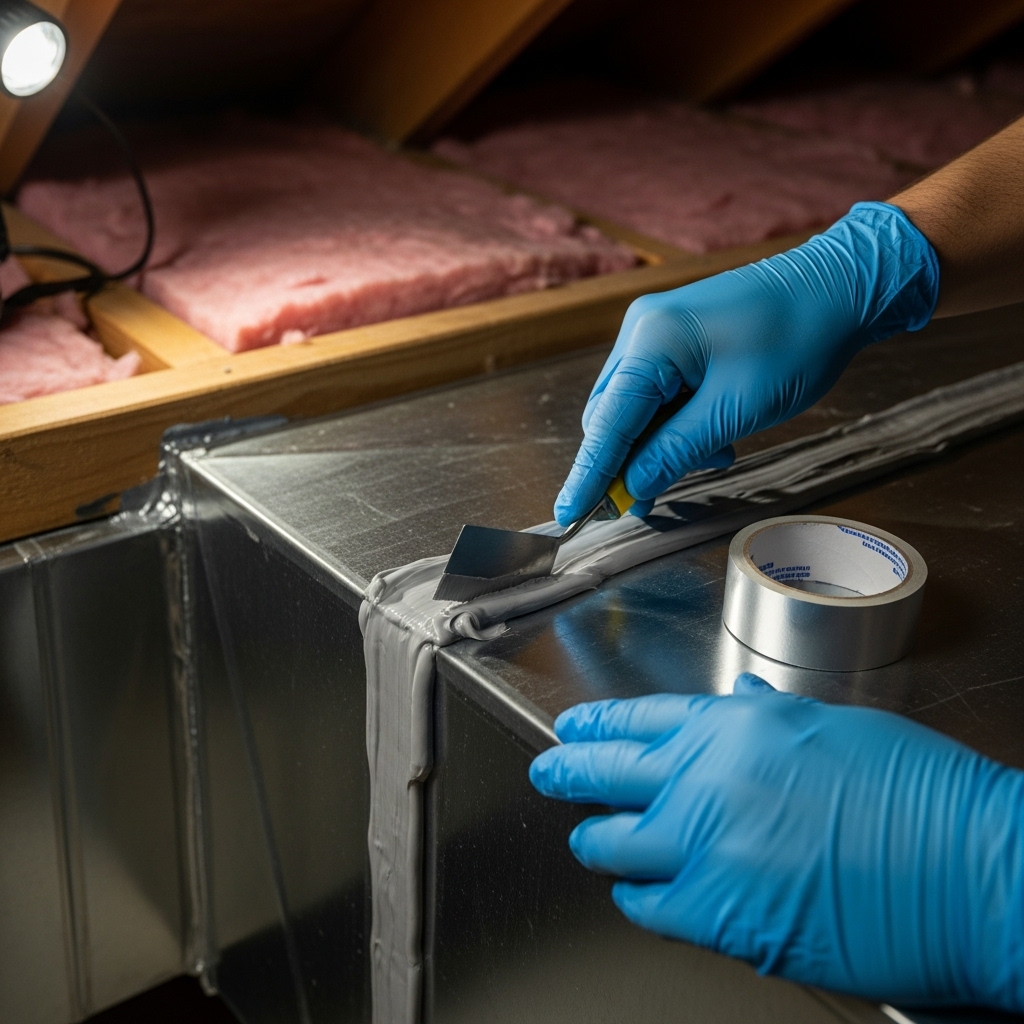
Every crack, seam, and loose connection is an escape route for conditioned air. In cooling season, leaks dump chilled air into hot attics, while in heating season, leaks send warm air into basements or crawl spaces. Meanwhile, negative pressure can draw in particulates, fibers, and musty odors. Sealing with the right materials—typically mastic and UL 181-rated foil tape for specific joints—creates a resilient barrier that stands up to temperature swings and vibration.
Common Problems Found in Somerville Duct Systems
- Unsealed seams on metal trunks and branches.
- Flex ducts with long unsupported spans that sag and restrict airflow.
- Loose or failing connections at takeoffs and boots.
- Undersized or leaky return pathways that starve the system for air.
- Insulation gaps on supply runs through unconditioned spaces.
Addressing these issues often yields immediate improvements in room-to-room temperature consistency and system responsiveness.
The Repair and Sealing Process
Expect a methodical approach that turns guesswork into measurable outcomes:
- Inspection and Testing: Visual checks, static pressure readings, and, when possible, leakage testing to establish baselines.
- Repair: Rebuild or reinforce weak connections, re-strap flex runs, correct transitions, and address crushed or poorly routed sections.
- Sealing: Apply mastic to seams and joints, use UL-rated foil tape for approved areas, and seal boots at ceilings and floors.
- Insulation and Protection: Insulate supply runs in unconditioned spaces to preserve delivered temperatures and guard against condensation.
- Balancing and Verification: Adjust dampers, confirm airflow to key rooms, and retake measurements to document improvements.
This sequence ensures the most impactful defects are corrected before sealing up the system.
Materials That Stand the Test of Time
Not all sealants and tapes are created equal. Duct mastic remains flexible and adheres tightly to metal and many duct board surfaces, resisting heat and humidity. UL 181-rated foil tapes have specific, appropriate uses; cloth-backed, general-purpose tapes are not designed for ducts and tend to fail. Mechanical fasteners, proper collars, and metal screws provide the backbone for secure joints that won’t loosen with vibration.
Air Balancing: The Finishing Touch
After leaks are sealed and connections strengthened, air balancing brings harmony to the system. Technicians fine-tune airflow with dampers and registers, and in some cases, recommend minor layout adjustments for rooms that persistently lag. The result is more consistent comfort across floors and exposure conditions.
Somerville-Specific Considerations
Our local climate puts ducts to the test. Attic temperatures soar in July and August, while basements can be cool and damp in winter and spring. Repairs should account for moisture management, insulation integrity, and long-term durability across seasonal cycles. Local specialists understand how to protect joints, prevent condensation, and secure supports against seasonal movement.
Benefits You Can Feel and Measure
With a repaired and sealed system, you should notice quieter operation, faster temperature recovery, and fewer hot or cold spots. Reduced leakage also supports better dehumidification in summer and steadier warmth in winter. Over time, your equipment benefits from reduced runtime, which can help extend component life.
When Redesign is the Right Move
Sometimes, strategic redesign achieves what sealing alone cannot. If returns are undersized, runs are excessively long, or key rooms are starved for air, selective reconfiguration may be recommended. The goal is to remove bottlenecks and establish a balanced distribution that sets your HVAC system up for success.
Homeowner Tips to Preserve Results
- Replace filters on schedule to protect airflow and cleanliness.
- Keep vents clear of furniture, drapes, and rugs.
- Visually check accessible trunk lines and supports twice a year.
- Address attic or crawl space moisture that can degrade materials.
Simple habits keep sealed systems performing at a high level between professional visits.
Midway Reminder: Choose Verified Quality
If you’re comparing options, prioritize providers that test before and after the work and explain each step clearly. For dependable outcomes, consider trusted air duct repair solutions that combine durable materials with measurement-based verification.
Frequently Asked Questions
-
How do I know if sealing will help? If you have uneven temperatures, visible tape failure, or dust around registers, sealing and repairs often provide significant improvements. Testing helps confirm the need and quantify results.
-
What’s the difference between sealing and insulation? Sealing closes air leaks; insulation controls heat gain and loss. Many systems benefit from both.
-
Will sealing make my system quieter? Often, yes. Reduced leakage and better support can lower whistling and rattling noises.
-
Can sealing help humidity control? Yes. A tighter system helps the AC dehumidify living areas more effectively during summer.
-
Do returns need sealing too? Absolutely. Return leaks can draw in dusty or musty air, so sealing both supply and return sides is essential.
-
Is mastic messy? Professionals apply it neatly and protect surrounding areas. It cures into a durable, flexible seal.
-
Will I need follow-up visits? A quality provider will verify work on the spot. Periodic checkups are useful if you notice changes or after major renovations.
-
What if my ducts are hard to access? Experienced technicians plan around access challenges and focus on high-impact areas first.
Take the Next Step Toward Reliable Comfort
Don’t let leaky or poorly supported ducts undermine your comfort. Choose a Somerville specialist who tests, explains, and delivers durable results. When you’re ready to experience steadier temperatures, cleaner air, and quieter operation, schedule comprehensive air duct repair and sealing with a trusted local team.
