Finding a trusted partner for dryer vent care can make all the difference for safety, efficiency, and peace of mind. If you live in Somerville, New Jersey, you already know how seasonal humidity, older housing stock, and busy family laundry routines can conspire to clog vents faster than expected. That is why choosing a reliable local team for dryer vent cleaning is not just a convenience—it is a critical part of responsible homeownership. This comprehensive guide explains what “trusted” really means, how to evaluate providers, what to expect from a professional visit, and how to keep your vent safe and clear between services.
In Somerville, the mix of historic homes, renovated multifamily properties, and newer builds creates a wide range of dryer vent configurations. Some runs are short and direct, while others snake through floors and walls before they reach an exterior termination. Each setup has its own risks, and a dependable company will know how to adapt methods, tools, and safety measures to the layout in your home. When you know what to look for, booking a visit becomes an easy, confident decision instead of a guess.
Why trusted dryer vent cleaning matters in Somerville
Lint is incredibly combustible, and it accumulates where you least expect it: behind the lint screen, in the transition duct, within elbows and long horizontal runs, and at the exterior hood. Over time, even a thin layer narrows airflow, causing longer dry times, higher energy use, and strain on components like the heating element or gas burner. In the worst cases, heat buildup and fugitive sparks can ignite lint. A trusted local provider understands these risks and uses methods designed to clear the whole system safely, not just the first few feet you can see.
Somerville’s seasonal changes also influence vent performance. Winter’s low outdoor temperatures can emphasize exhaust condensation in cold ducts, encouraging lint to stick, while spring pollen and summer humidity can combine with lint to form stubborn deposits. Reputable technicians arrive prepared for these conditions and are familiar with common building styles in the area, like second-floor laundry closets and roof terminators common in townhomes.
What makes a provider “trusted”
Trust is more than a friendly voice on the phone. It is a combination of transparent practices, technician training, documented processes, and a strong local reputation. Here are qualities that distinguish dependable pros in Somerville:
- Clear scope: They explain what is included—cleaning the transition duct, the full vent run, the termination hood, and a basic safety check of airflow and connections.
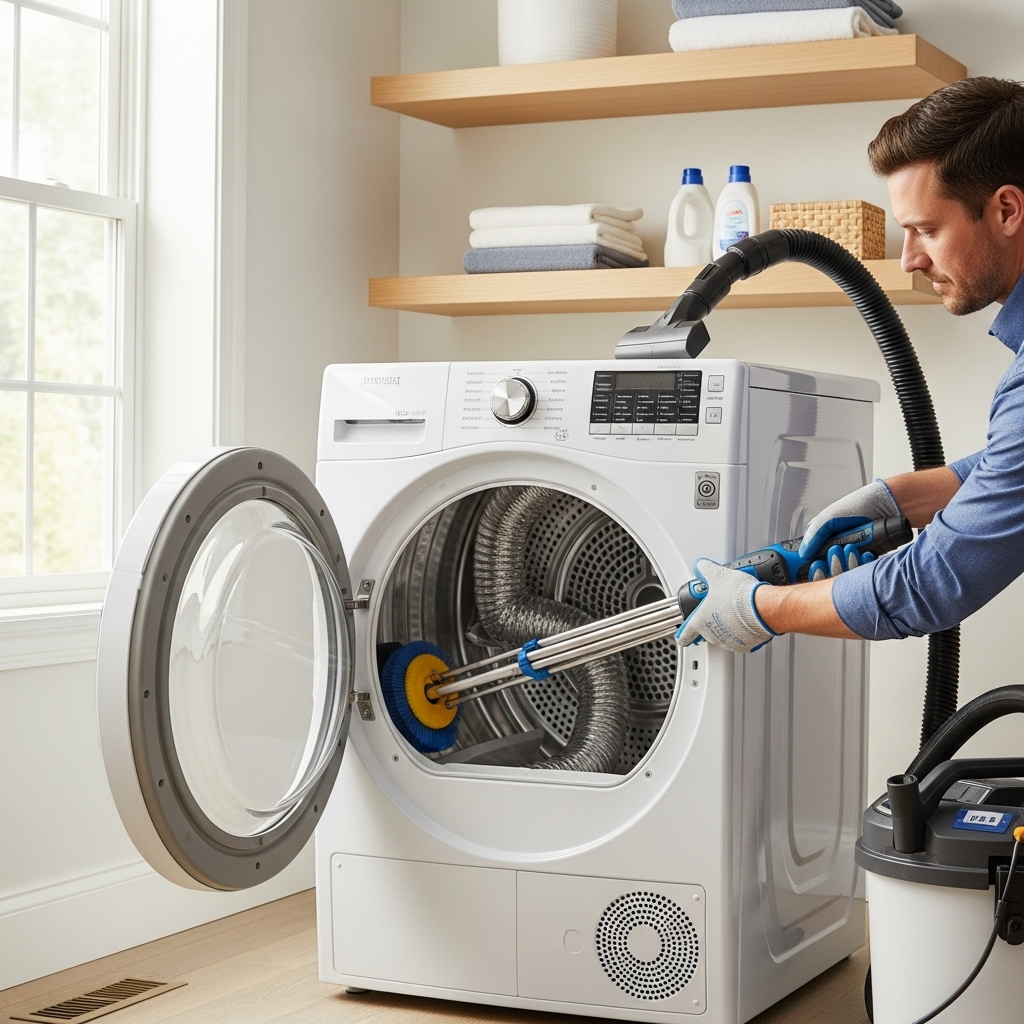
- Appropriate tools: They use rotary brushes, air whips, high-powered vacuums with HEPA filtration, and lint-specific agitation rods designed for the diameter of residential vents.
- Safety-first approach: They confirm gas shutoff protocols for gas dryers, verify that the termination has a backdraft damper (not a screen), and check that the ducting material is code-compliant.
- Before-and-after verification: They provide airflow readings or a visual inspection summary so you can see a measurable difference.
- Local references: They can name nearby neighborhoods and building types they service regularly and know the unique challenges each presents.
Common warning signs your vent needs attention
You do not have to wait for an obvious problem. Many subtle signals indicate that lint is restricting airflow long before it becomes a hazard:
- Dry cycles take longer than they used to for the same loads.
- Clothes emerge overly hot or have a burnt, musty, or “heated” smell.
- The laundry room feels unusually warm or humid during operation.
- You see lint accumulating around the dryer cabinet or at the exterior hood.
- The exterior flap does not open fully while the dryer runs.
- The dryer automatically shuts off due to overheating.
When you notice one or more of these, it is time to call a professional. A trusted technician will perform a methodical assessment before cleaning and confirm that the problem is resolved afterward.
How a professional cleaning visit should unfold
Good providers follow a predictable process so you know exactly what to expect. While specifics vary by home, you will typically see these steps:
- Initial walkthrough: The technician asks about symptoms, checks the dryer location, identifies vent path and termination, and notes any access challenges.
- Safety prep: For gas dryers, they confirm safe operation and ventilation. For all dryers, they unplug or turn off power before disconnecting the transition duct.
- Airflow reading: Many pros take a baseline reading at the transition or exterior to quantify restriction.
- Mechanical agitation: Using rotary brush rods or air whipping tools, they advance through the vent from inside or outside, loosening impacted lint.
- Containment and vacuum: A vacuum with appropriate filtration captures dislodged lint to keep your home clean.
- Exterior termination service: They clear the hood, verify the damper opens freely, and remove any bird nesting materials if present.
- Reassembly and inspection: The transition duct is reconnected correctly, avoiding crushed or excessively long runs behind the dryer.
- Final readings and test run: Airflow is rechecked and the dryer is tested to confirm normal operation and reasonable cycle times.
Somerville-specific considerations
Neighborhoods in and around Somerville can feature older masonry walls, roof vents, tight basement laundries, and shared venting scenarios in multi-unit buildings. Trusted providers anticipate these differences. For example, roof terminators require careful ladder safety and specialized brush heads to avoid damaging the cap. In older homes, a pro will assess whether any portions of the vent are flexible, ribbed foil that should be replaced with smooth-wall metal to minimize lint accumulation and improve airflow.
Another local factor is wildlife. Certain exterior hoods invite nesting, especially if the damper does not close fully. A skilled technician recognizes these patterns, clears the obstruction, and recommends an appropriate, code-compliant hood that prevents reentry without using screens that can trap lint.
DIY vs. professional service
A motivated homeowner can clean visible areas and even portions of the vent using a consumer-grade brush kit. However, it is easy to push lint farther into the run, detach the brush head in a turn, or damage thin foil ducts. Trusted professionals come prepared with rigid rods, inspection mirrors, and vacuums designed to manage the debris. They also have experience with tricky layouts and will spot issues—like a concealed crushed elbow or a sagging run—before they lead to recurring clogs.
If you prefer to DIY between visits, stick to safe tasks: empty the lint screen every load, vacuum the lint screen housing periodically, and keep the area behind the dryer free of kinks. Schedule periodic full-system cleanings to maintain peak safety and efficiency.
How often should vents be cleaned
Frequency depends on use. Large households, high laundry frequency, pets, and long vent runs increase lint accumulation and warrant more frequent cleanings. A general guideline is to schedule a professional service once per year, then adjust based on results. If a trusted provider restores strong airflow and your cycles are normal for the next year, your interval is likely appropriate. If dry times creep up sooner, shorten the interval.
What to ask before you book
Choosing a provider you trust starts with questions. Consider asking:
- What parts of the system are included in your cleaning?
- Do you provide before-and-after airflow checks or photos?
- How do you manage debris and protect my home during the process?
- Are your technicians trained on gas dryer safety and local code requirements?
- Can you handle roof or second-story terminations safely?
- Do you carry appropriate insurance for residential work?
Good answers will be specific, confident, and tailored to your home’s layout. They should also set expectations about appointment length, preparation steps, and how to reach support if you have questions afterward.
Preparation tips for homeowners
A little preparation helps the visit go smoothly:
- Clear a path from the entry to the laundry area.
- Move items stored around or on top of the dryer.
- Keep pets safely away from the work zone.
- Locate the exterior termination so the technician can access it easily.
- Note any recent dryer symptoms to share during the walkthrough.
These simple steps ensure the technician can get to work right away and focus time on thorough cleaning, not moving obstacles.
Mid-visit expectations and quality checks
Trusted pros are proactive about quality control during the job. You might see them test the damper swing at the exterior hood, measure airflow after clearing a stubborn elbow, or adjust the transition duct to reduce a sharp bend. They will explain what they are doing and why, and invite you to inspect the results. In the middle of the visit, a technician might show you the difference in airflow after impactful sections are cleared, reinforcing the value of truly comprehensive service. If you are comparing options, ask how each provider verifies their work—this separates routine maintenance from a premium, results-driven approach like professional dryer vent cleaning.
Post-cleaning maintenance habits
After your vent is cleared, a few habits will keep it that way:
- Empty the lint screen before every load and wash it periodically if you use fabric softener sheets.
- Do not overload the machine—oversized loads shed more lint and tax the motor.
- Use the appropriate heat setting for fabrics to avoid unnecessary high-heat cycles.
- Check that the exterior damper moves freely every few months.
- Inspect the transition duct during seasonal cleanups to ensure it is not crushed or too long.
Combined, these steps extend the benefits of a professional cleaning and help maintain efficient, safe operation.
Frequently Asked Questions
Q: How long does a typical dryer vent cleaning take? A: Most single-family homes take about an hour, but complex runs, roof access, or heavy lint buildup can extend the visit.
Q: Do I need to be home during the appointment? A: Yes, because the technician will need access to the dryer, possibly the breaker panel for safety, and the exterior termination.
Q: Will cleaning fix my long dry times? A: In most cases, yes. If airflow restriction caused the issue, removing lint will reduce dry times noticeably. If problems persist, the technician can check for other issues like a failing blower wheel or a damaged heating element.
Q: Is foil or plastic ducting acceptable? A: Most codes recommend smooth-wall metal for the vent run. Transition ducts should be short and listed for dryer use. Plastic is generally not acceptable due to fire risk.
Q: How can I tell if the exterior termination is functioning? A: When the dryer runs, the damper should open easily and you should feel a strong stream of warm air. If the damper sticks or you feel weak airflow, schedule a cleaning.
Q: How often should multifamily properties clean vents? A: High-usage scenarios benefit from more frequent service—often semiannual—because multiple users and longer vents mean faster lint accumulation.
Choosing local expertise pays off
Working with a trusted Somerville provider delivers three key benefits: safety from reduced fire risk, energy savings from restored airflow, and time savings from shorter cycles. It also protects your dryer investment by reducing wear on the machine. Equally important, a reputable local team stands behind the work and understands the construction styles and access realities of your neighborhood.
Final thoughts
Dryer vent care is one of those maintenance items that is easy to postpone—until slow cycles, warm laundry rooms, or burning smells make it urgent. By choosing a trusted professional, you transform a potential hazard into a straightforward, periodic home task. Ask questions, look for transparent methods, and set a reminder for your next service before problems return. Local knowledge and proven processes are the difference between a quick fix and a long-term solution that keeps your home safer and your laundry routine smooth.
Ready for dependable help in Somerville
If you want a reliable local team that treats your home with care, verifies results, and explains every step, schedule service with proven Somerville specialists. Restore airflow, protect your appliance, and enjoy faster, fresher laundry by booking Somerville dryer vent cleaning today.
