
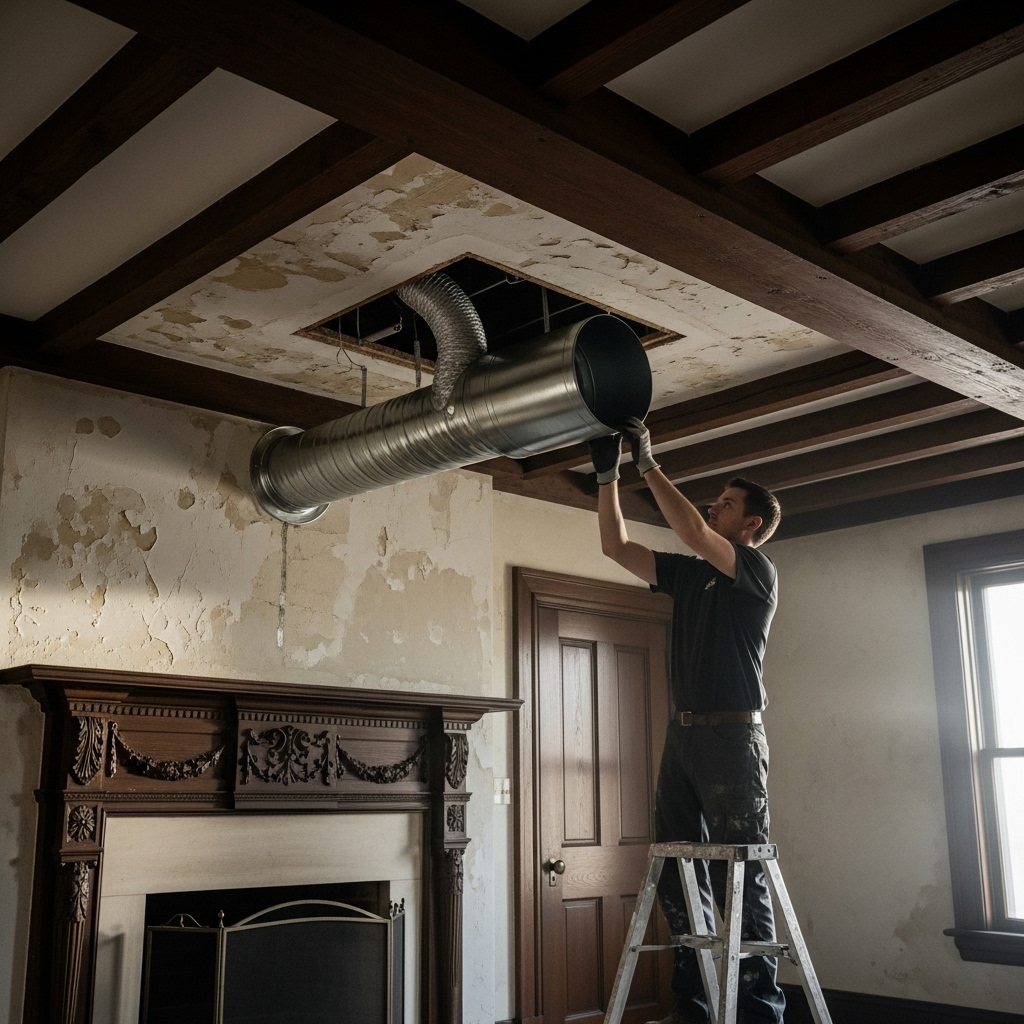
Older homes in Somerville, New Jersey, are full of character—ornate trim, original plaster, and thoughtful craftsmanship. Retrofitting a modern duct system into such structures requires care and creativity to preserve those details while delivering quiet, even comfort. Whether you are replacing aging ductwork or adding central distribution for the first time, this guide explains how to plan a project that respects the home’s history and meets today’s performance expectations. If you are exploring options and want expert insight tailored to your floor plan, a local specialist in air duct installation can help map discreet routes and set realistic expectations from the start.
Historic and mid-century homes often include tight framing, hand-built soffits, and additions layered across decades. These features complicate routing but also present opportunities for elegant solutions. The key is a design-forward approach that considers structure, aesthetics, noise, and maintenance access before the first cut is made.
Understanding the Existing Structure
A detailed site survey is essential. Many older homes have balloon framing, masonry partitions, or plaster walls that limit where ducts can run. The survey should identify:
- Open chases and cavities: Stacked closets, unused chimneys (where permitted), or existing service chases can conceal trunks and branches.
- Obstacles: Beams, joist direction changes, and masonry piers that require rerouting or creative transitions.
- Condition of existing ducts: If present, assess leakage, insulation, and hygiene; older runs may be undersized or poorly routed for today’s load.
- Access points: Attics, knee walls, basements, and crawlspaces that can serve as distribution hubs.
Designing for Minimal Disruption
Design choices determine how much of the home must be opened and how visible the final results will be. With thoughtful planning, you can often conceal major runs and preserve original finishes.
- Use compact trunks and strategic branches to minimize ceiling or wall openings.
- Select register locations that align with trim and furniture plans, avoiding drafts across seating areas.
- Incorporate returns where they balance airflow without altering historic features.
- Consider zoning for multi-level layouts to maintain consistency across floors and additions.
Material Choices That Suit Older Homes
Material selection affects longevity, acoustics, and the ability to navigate tight spaces. A common approach uses rigid metal for trunks, short flexible connections to reach final registers, and duct board where integrated insulation and sound absorption are beneficial.
- Rigid metal trunks: Durable and smooth for efficient airflow; can be fabricated to navigate structural constraints.
- Flexible takeoffs: Best kept short and taut, supported to avoid sags and kinks that reduce airflow.
- Duct board sections: Useful in specific areas to dampen noise and fit within tight chases with built-in insulation.
Managing Noise in Quiet, Echo-Prone Rooms
Older homes often feature wood floors and high ceilings that reflect sound. To keep the system quiet:
- Use lined sections near the air handler to limit sound transmission.
- Size ducts correctly to reduce velocity and whistling at registers.
- Isolate equipment from framing where possible and use vibration-dampening supports.
Sealing, Insulation, and Moisture Control
Vintage structures may have limited insulation and more pathways for outdoor air infiltration. Sealing ducts with mastic, insulating runs through unconditioned spaces, and controlling vapor drive all contribute to reliable performance. This is especially important in attics or crawlspaces, where temperature and humidity swings can be dramatic. Proper insulation and vapor barriers keep supply air stable and protect finishes from condensation.
Preserving Historic Aesthetics
Respecting the home’s character is non-negotiable for many owners. Collaborate with your installer to select grille styles that complement original trim, and plan routes that avoid cutting into decorative plaster or millwork. In some cases, soffits can be integrated into less-visible areas such as closets or hallways to hide trunks without detracting from the home’s look and feel.
Air Quality and Filtration Considerations
Older homes may harbor dust in wall cavities or have seasonal pollen infiltration. A well-designed return strategy and appropriate filtration help capture particles before they circulate. If you are sensitive to allergens, discuss filter options that match your equipment’s capabilities without restricting airflow excessively.
Working in Tight Spaces Safely
Accessing knee walls, narrow attics, and low crawlspaces calls for careful preparation. Professional crews plan safe platforming, lighting, and tool staging to reduce the time spent in uncomfortable positions and to protect fragile finishes. This preparatory work may not be visible when the project is done, but it has a major impact on quality and safety.
Integrating With Existing Systems and Additions
Many older homes have been renovated multiple times. An addition might have its own air handler or a different ceiling height. Your installer should review these transitions and plan for smooth airflow across boundaries. Sometimes a small design adjustment—such as an extra return in a far room—can greatly improve comfort without significant disruption.
Verification and Documentation
Verification ensures the new system performs as intended. After installation, technicians test leakage, measure airflow, and tune balancing dampers. You should receive a final layout, test results, and photos of concealed runs. These documents are invaluable for future maintenance and any subsequent renovations.
Frequently Asked Questions
Will ductwork damage my home’s historic finishes? A careful design can route ducts through closets, chases, or soffits that minimize visible changes. Work with a contractor who prioritizes preservation and can show examples from similar projects.
Can existing ducts be reused? Possibly, if they are in good condition, appropriately sized, and compatible with the new design. Many older systems, however, benefit from updated routing, sealing, and insulation.
How do I maintain quiet operation? Proper sizing, lined sections near the air handler, and balanced airflow reduce noise. Avoiding sharp elbows and keeping flexible runs short also helps.
What about indoor air quality? A balanced return strategy and appropriate filtration capture particles and help control dust drawn from wall cavities. Choose filters that your equipment can handle without excessive restriction.
Is zoning useful in older homes? Yes. Multi-level layouts and additions often have varied loads. Zoning can help keep temperatures consistent and reduce complaints about hot or cold rooms.
How disruptive is installation? Professional crews protect floors, isolate dust, and coordinate daily schedules. While some noise and temporary access limitations are inevitable, clear communication keeps disruption manageable.
From Vision to Comfortable Reality
With thoughtful planning and a preservation-minded approach, you can modernize comfort without sacrificing the charm that makes your home special. Start with a thorough survey, a documented design, and a conversation about aesthetics, noise, and maintenance access. If you would like guidance mapping discreet routes and verifying performance, connect with a Somerville professional who specializes in air duct installation. With the right partner, you can enjoy even temperatures, quieter operation, and the confidence that your home’s character will endure for generations.
