
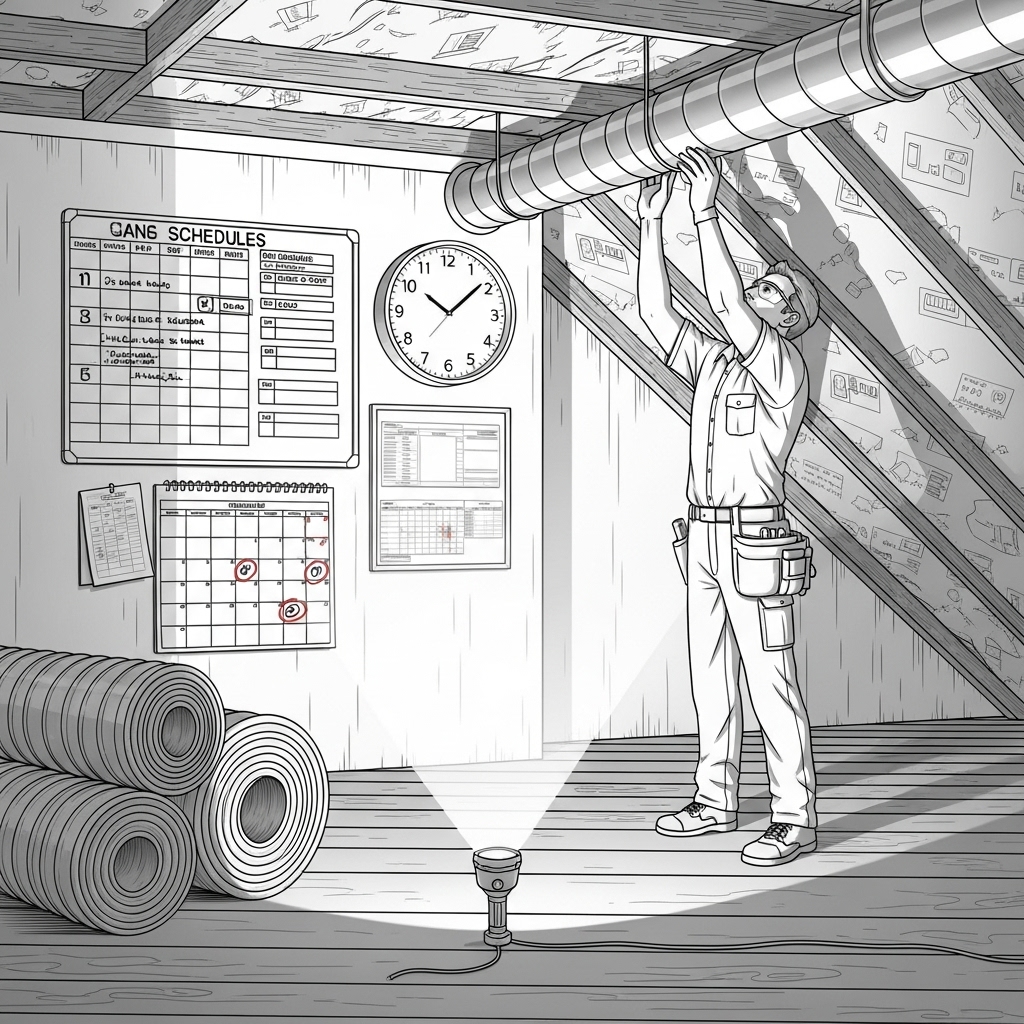
When you are planning a new duct system, one of the first questions is how long the work will take. A clear timeline helps you coordinate schedules, prepare your home, and set expectations about daily routines. In Somerville, New Jersey—where summers can be humid and winters brisk—the project’s duration depends on home size, layout complexity, material choices, and how easily crews can access attics, basements, or crawlspaces. This guide outlines what typically shapes the schedule, how to prepare for each phase, and what you can do to keep the project on track. If you are early in planning and want a time estimate tailored to your layout, consider a consultation with a local professional who focuses on air duct installation.
Timelines vary because every home is different. A single-story ranch with a roomy basement can move quickly, while a multi-level home with finished ceilings and limited access requires more time for routing and finishing work. By understanding the factors below and setting up a step-by-step plan, you can approach the process with confidence and minimal disruption.
What Shapes the Timeline?
Several elements influence how long an installation will take. Your contractor’s pre-job assessment will identify the following variables and provide a rough sequence of work.
- Home size and layout: Larger footprints and multi-story designs add routing and balancing complexity. Open floor plans often move faster than segmented layouts with many enclosed rooms.
- Accessibility: Attics, crawlspaces, and tight soffits require slower, more careful work. Adequate lighting, staging, and platforming can speed things up.
- Material selection: Rigid trunks with short flex takeoffs are efficient but require careful fabrication and sealing. Duct board offers integrated insulation but needs precise cuts and joints.
- Design clarity: A documented plan with trunk sizes, branch diameters, and register locations reduces mid-job revisions.
- Sealing and insulation standards: Thorough sealing and insulation add steps but pay off in performance and comfort.
- Verification testing: Leakage testing, airflow measurements, and balancing require focused time at the end for accuracy.
- Concurrent work: If you are also air sealing the attic or finishing a basement, coordination can influence the order and duration of tasks.
Typical Phases and What to Expect
While each project is unique, most installations follow a consistent path from preparation through final verification.
- Assessment and design: The team documents your home’s layout, access points, and comfort goals, then produces a room-by-room plan with airflow targets.
- Preparation and protection: Crews cover floors, isolate dust areas, and stage tools and materials near access points for efficiency.
- Trunk and branch installation: Major pathways go in first, followed by branches. Flex runs are kept short and taut to preserve airflow.
- Sealing, insulation, and supports: All seams are sealed, insulation is applied in unconditioned spaces, and supports are checked for correct spacing.
- Register placement and finishing: Boots are set square, registers aligned, and any trim or aesthetic details addressed.
- Testing and balancing: Leakage is verified, airflow is measured and adjusted, and the system is tuned for comfort and quiet operation.
Single-Story vs. Multi-Level Homes
Single-story homes with basements or roomy crawlspaces often allow straight runs and direct access, trimming time by reducing complex routing. Multi-level homes introduce stairwells, enclosed chases, and finished ceilings that require careful planning to keep ducts concealed while maintaining service access. If your home includes vaulted ceilings or additions, expect extra coordination to route supplies and returns without compromising aesthetics.
Access and Workspace Setup
Tight or cluttered areas slow the process. Before the crew arrives, clear storage from around the air handler and any planned duct routes. In the attic, designate a safe path and consider temporary lighting. In basements, move stored items away from trunk locations and mechanical areas. The easier the access, the faster crews can measure, cut, place, and seal each component. Good staging also leads to cleaner results and fewer accidental scuffs or bumps.
Material Choices and Their Impact on Time
Material selection affects how quickly components can be fabricated and assembled. Rigid sheet metal is highly durable and efficient for trunks but must be measured and cut precisely. Flexible duct speeds up short final connections, provided it is fully supported and free of kinks. Duct board can move quickly on straight runs but demands careful sealing at joints for lasting performance. Choosing the right combination for each run strikes a balance between efficiency and craftsmanship.
Sealing and Insulation: Time Well Spent
Cutting corners on sealing or insulation can save time in the moment but reduces comfort and efficiency later. Mastic application, mechanical fastening, and vapor barrier alignment are detail-oriented steps that protect long-term performance. The payoff is fewer drafts, quieter operation, and more consistent temperatures across rooms.
Verification, Balancing, and the Final Stretch
Once ducts are in place, the team will verify leakage levels, measure airflow at key registers, and adjust dampers to match design targets. This is also when the crew listens for noise, checks for vibration near the air handler, and confirms that insulation is intact and continuous. Documentation—photos of concealed runs and a final diagram—helps you track your system for future maintenance or renovations.
How to Keep Your Project on Schedule
Homeowners can make a meaningful difference in the timeline by preparing the space and making decisions quickly when questions arise. Use these tips to keep the process moving:
- Confirm the design and register locations before installation begins.
- Clear access to attics, crawlspaces, and mechanical rooms.
- Decide on grille styles and any aesthetic preferences in advance.
- Be available for quick approvals if site conditions require adjustments.
- Coordinate other trades to avoid conflicts in tight areas.
Seasonal Considerations in Somerville
Weather can influence the schedule, especially for attic work during hot spells or crawlspace tasks after heavy rain. Plan for hydration, ventilation, and safe platforming to keep crews efficient and comfortable. If you are scheduling during peak heating or cooling seasons, factor in the installer’s workload and any lead time for materials.
Signs the Project Is Progressing Well
Look for clear daily updates and visible milestones: trunks placed and secured, branches routed with minimal turns, clean mastic lines at joints, and neatly supported flex. By the time finishing begins, boots should be square, registers aligned, and any holes or penetrations sealed. The final day often focuses on testing, balancing, and a thorough walkthrough.
Common Causes of Delays
Delays typically arise from unexpected structural obstacles, difficulty accessing tight spaces, or changes in the design after installation starts. You can minimize these by approving the plan early, ensuring access is clear, and communicating preferences before work begins. If a surprise emerges—like a hidden beam or wiring bundle—your contractor will present options to reroute without sacrificing performance.
Frequently Asked Questions
What can I do to prepare my home? Clear pathways to attics, crawlspaces, and mechanical rooms; move storage away from trunk routes; and discuss protection methods for floors and furnishings. Having decisions made about grille styles and register placements also saves time.
How disruptive is installation? Expect intermittent noise from cutting and fastening, plus crews moving materials through access points. Professional teams protect surfaces and contain dust to keep your home clean.
Will I be without heating or cooling during the project? If you are replacing an existing system, your contractor can often schedule work to limit downtime. Communicate any critical hours when conditioning is especially important.
Does verification add much time? Testing and balancing require focused attention, but they are essential for achieving the design’s comfort and efficiency goals. The time invested pays off in stable temperatures and quieter operation.
Can other renovations happen at the same time? Yes, but coordination is key. If you plan attic air sealing or insulation upgrades, align schedules so work doesn’t need to be undone or repeated.
How do I know the job is complete? You should receive a walkthrough, test results, and documentation showing register locations and any hidden runs. If you have questions about airflow in specific rooms, ask for a quick measurement to confirm targets.
From Planning to Completion
Every home tells a different story, and a transparent plan is the best way to predict the timeline. With a clear design, organized staging, and diligent sealing and verification, your project can move efficiently from day one through final walkthrough. If you would like a schedule estimate tailored to your home’s layout and access points, reach out to a Somerville specialist in air duct installation. With the right team and preparation, you can enjoy balanced airflow and year-round comfort sooner than you think.
